What You Need to Know About the New COVID Variant JN.1
Hello and welcome to Cytorite, the website where we bring you science news, research updates, and factual explanations. In this blog post, we're going to talk about the latest COVID that is making headlines: JN.1.
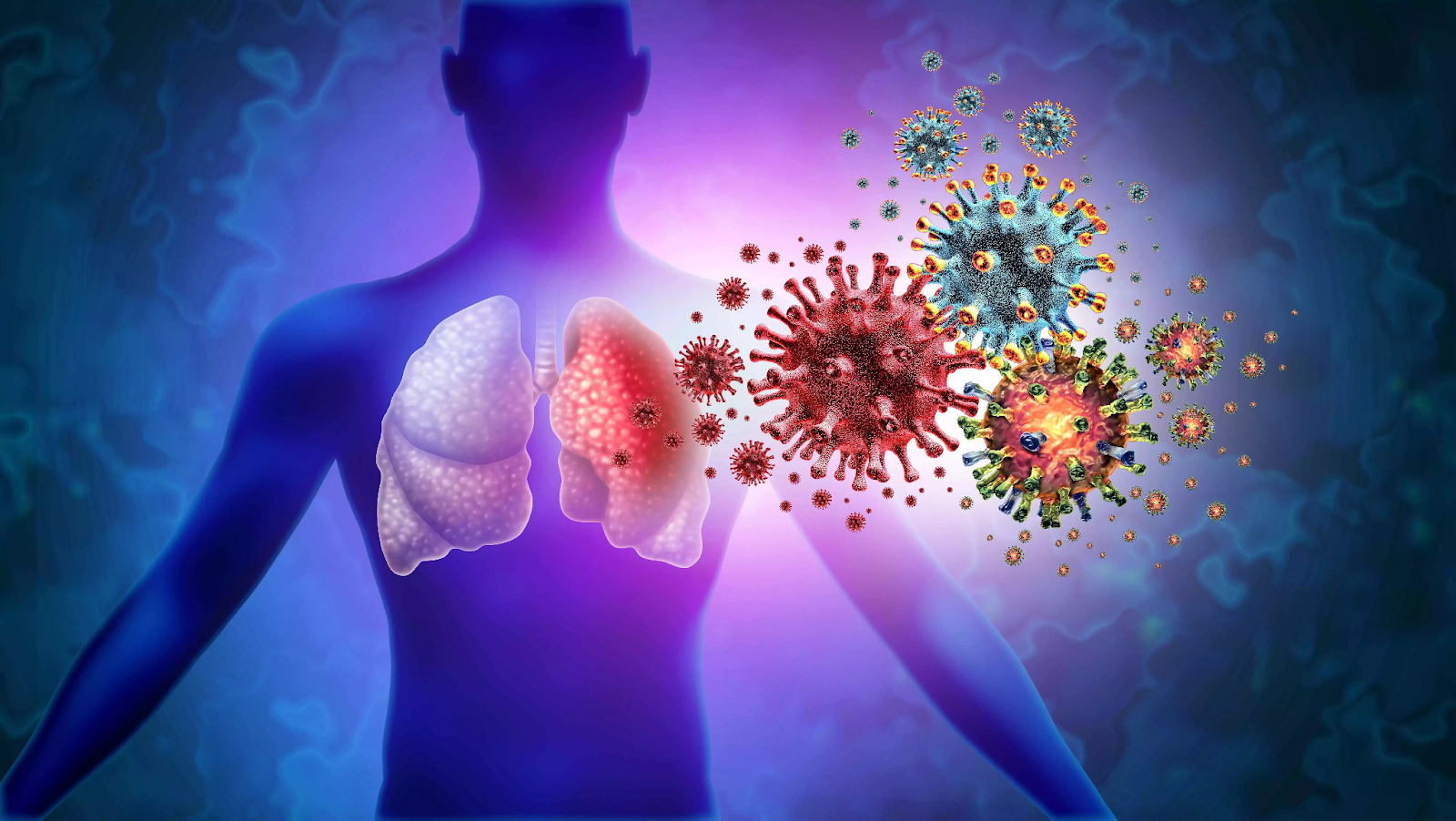
JN.1 is a new subvariant of Omicron, the dominant strain of the coronavirus that causes COVID-19. It was first detected in the United States in September 2023, and since then it has been spreading rapidly across the country and the world. According to the CDC, JN.1 now accounts for an estimated 15 to 29 percent of COVID cases in the US.
But what makes JN.1 different from other variants? And how worried should we be about it? Let's find out.
How JN.1 differs from other variants
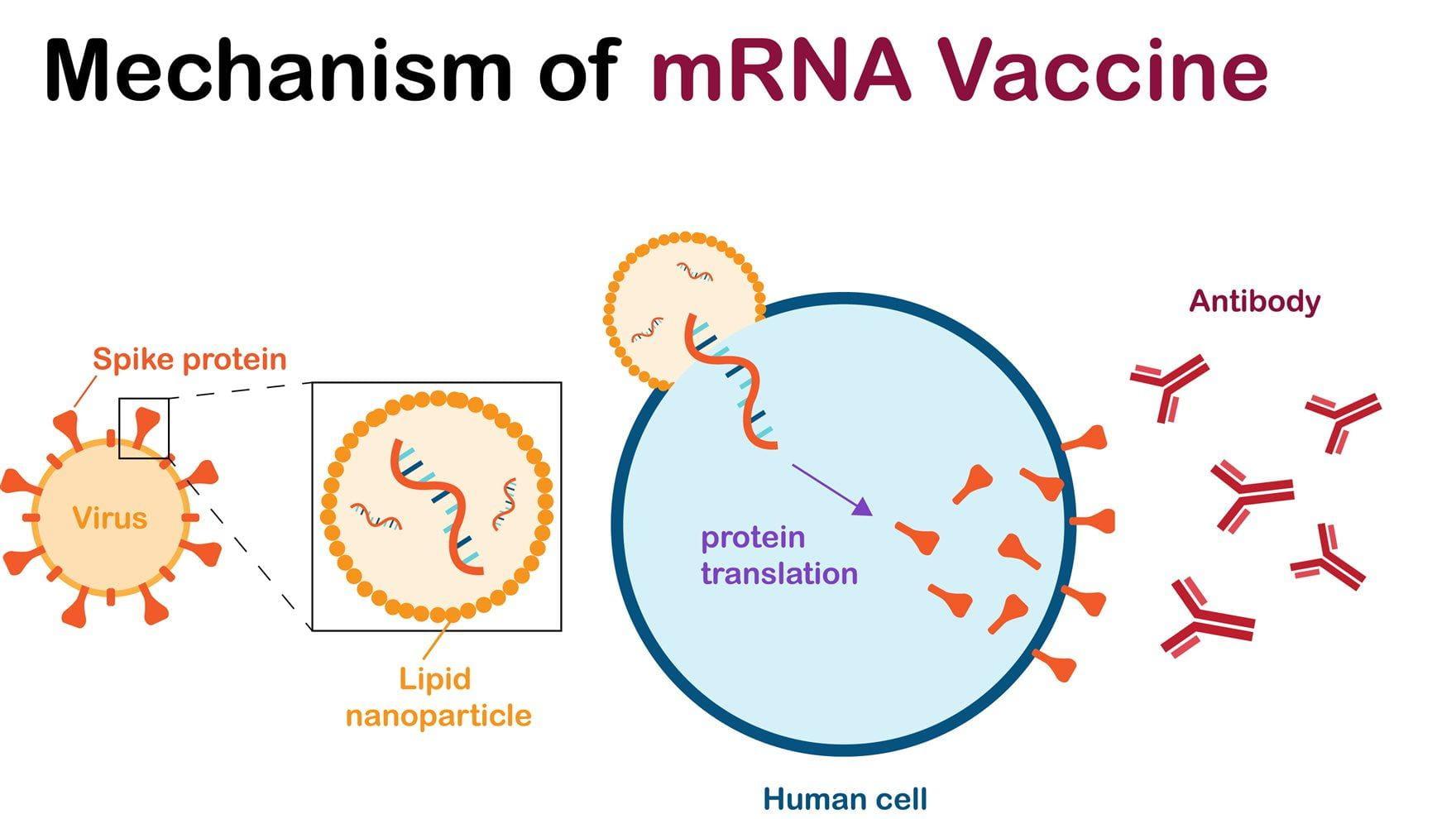
JN.1 is closely related to another Omicron subvariant, BA.2.86, that was previously tracked by the CDC. The only difference between them is a single change in the spike , the part of the that attaches to human cells. This change may give JN.1 an advantage in infecting more people or evading our immune systems.
However, there is no evidence so far that JN.1 is more severe or deadly than other variants. The symptoms of JN.1 are similar to those of other coronavirus variants, including fever, runny nose, sore throat, headache, and mild gastrointestinal issues. The severity and type of symptoms usually depend more on a person's immunity and overall health than on which variant causes the infection.
How to protect yourself from JN.1
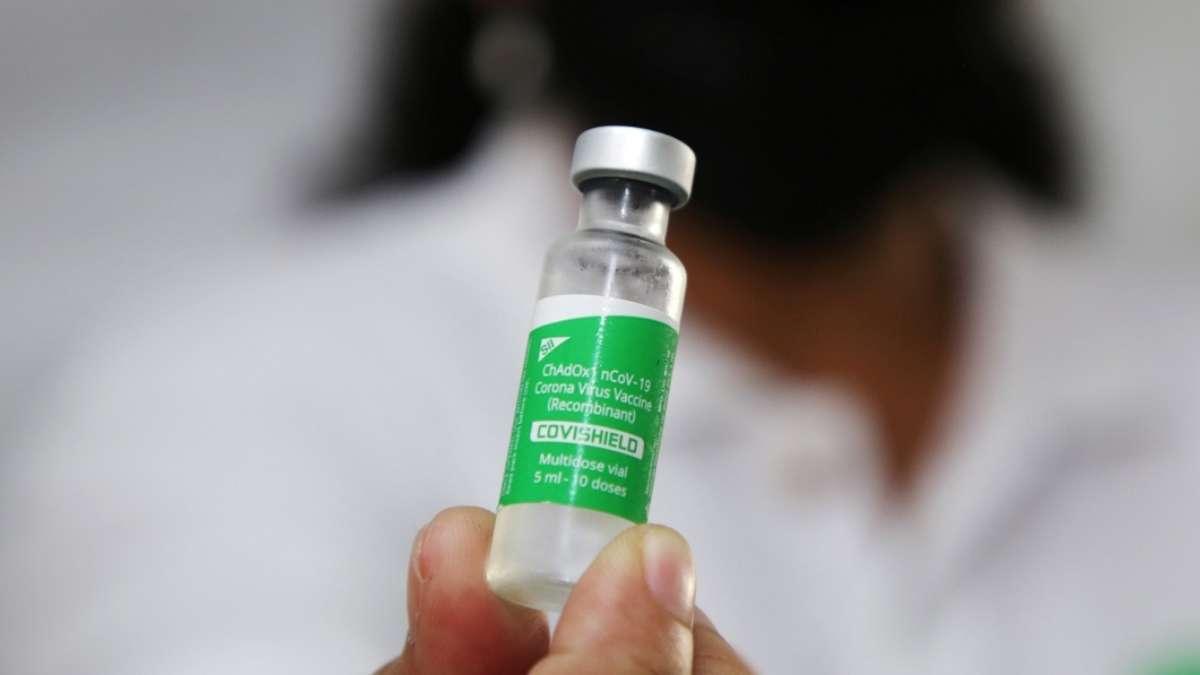
The good news is that the existing COVID-19 are expected to provide some protection against JN.1, as they do for other variants. The CDC recommends that everyone who is eligible should get vaccinated and boosted as soon as possible, as this is the best way to prevent severe illness and hospitalization from COVID-19. Other preventive measures, such as wearing masks, social distancing, and avoiding crowded indoor settings, are also important to reduce the risk of exposure and transmission.
The bad news is that JN.1 is likely to continue to increase as a proportion of COVID cases in the coming weeks, especially during the holiday season when people tend to travel and gather more. This could lead to a surge in infections and put more strain on the already overwhelmed health care system. The CDC warns that COVID-19 activity is likely to increase over the next month, and urges everyone to be cautious and responsible.
What to expect from JN.1 in the future
So, what can we expect from JN.1 in the future? Will it become the dominant variant in the world? Will it cause another wave of the ? Will it mutate further and become more dangerous? These are all questions that scientists are trying to answer, but the truth is that we don't know for sure. The virus that causes COVID-19 is constantly changing over time, and sometimes these changes can have unpredictable consequences. The only thing we can do is to stay informed, stay safe, and stay hopeful.
That's all for this blog post. Thank you for reading Cytorite. If you liked this post, please share it with your friends and family and follow us on Twitter @cytorite for more science content. And don't forget to check out our YouTube channel Cytorite for more videos on science news, research updates, and factual explanations. Until next time, stay curious and stay healthy.
In the literature
PubMed and arXiv
- PubMed2022COVID-19: vaccines, efficacy and effects on variants.Rudan I, Adeloye D, Sheikh A · Current opinion in pulmonary medicineRead the paper
- PubMed2022COVID-19 in Southeast Asia: current status and perspectives.Chu DT, Vu Ngoc SM, Vu Thi H · BioengineeredRead the paper
- PubMed2022Efficacy and Safety of NVX-CoV2373 in Adults in the United States and Mexico.Dunkle LM, Kotloff KL, Gay CL · The New England journal of medicineRead the paper
- PubMed2021A Comprehensive Review of COVID-19 Virology, Vaccines, Variants, and Therapeutics.Forchette L, Sebastian W, Liu T · Current medical scienceRead the paper
Matched automatically on this article’s subjects. Relevance varies — these are suggestions for further reading, not sources for the piece above.
Sign in to save articles and join the discussion.