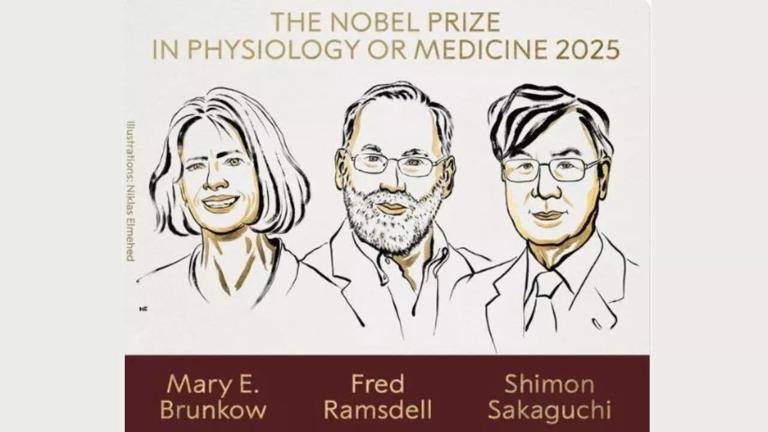
Hello and welcome to Cytorite. In this blog, we are going to talk about the Nobel Prize in Physiology or Medicine 2023, which was awarded to two scientists who made groundbreaking discoveries that enabled the development of effective against COVID-19. Their work has changed the face of medicine and vaccination and has saved millions of lives during the .
The Evolution of Vaccines
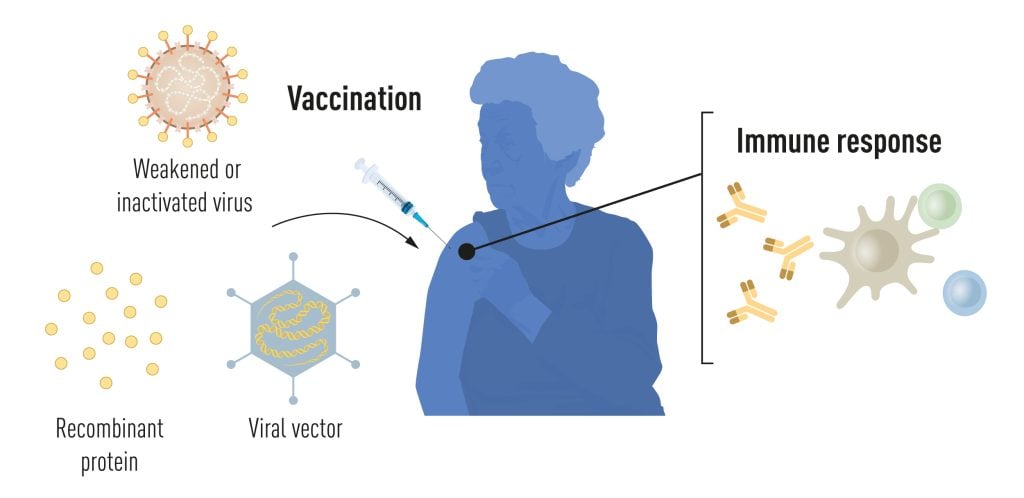
But before we dive into their amazing achievements, let's look at how vaccines work and how they have evolved. Vaccines are substances that stimulate our to produce against a specific disease-causing agent, such as a or a bacterium. This way, if we encounter the same agent again, our body is ready to fight it off and prevent us from getting sick.
The first vaccines were based on using killed or weakened versions of the whole disease-causing agent. For example, the vaccine against polio uses a weakened form of the polio virus, while the vaccine against yellow fever uses a killed form of the yellow fever virus. These vaccines have been very effective in preventing and eradicating many diseases, such as measles, mumps, and rubella. The Nobel Prize in Physiology or Medicine 1951 was awarded to Max Theiler for developing the yellow fever vaccine.
However, these vaccines have some limitations. They require large-scale cell culture to produce the viruses, which can be costly and time-consuming. They also carry some risks of causing side effects or infections, especially for people with weakened immune systems.
Innovations in Vaccine Development
So, scientists started looking for new ways to make safer, faster, and cheaper vaccines. One of these ways was to use only parts of the disease-causing agent, instead of the whole thing. These parts are usually that are found on the surface of the agent and are recognized by our immune system. For example, the vaccine against hepatitis B uses a protein from the hepatitis B virus, while the vaccine against human papillomavirus uses a protein from the human papillomavirus.
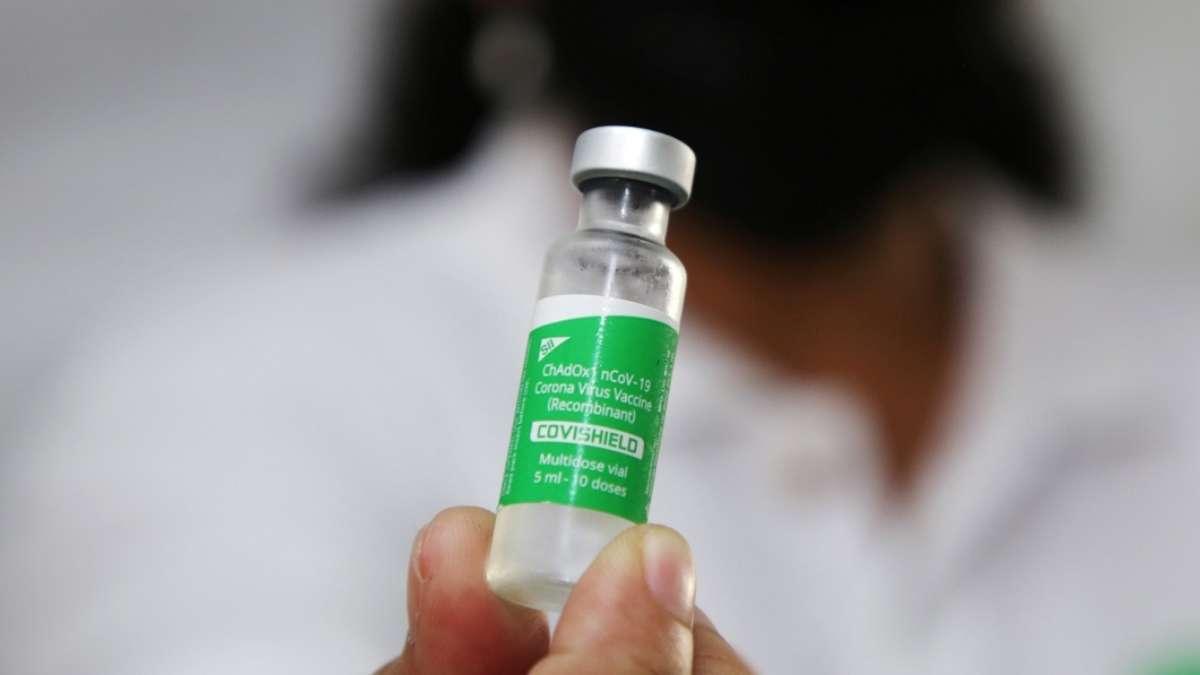
Another way was to use a harmless virus as a carrier or a to deliver parts of the genetic code of the disease-causing agent to our cells. This genetic code instructs our cells to make the protein that triggers an immune response. For example, the vaccine against Ebola uses a vector virus that carries part of the genetic code of the Ebola virus.
These vaccines have some advantages over traditional vaccines. They do not contain any live or killed disease-causing agents, so they are safer and more stable. They also induce stronger and longer-lasting immunity.
However, these vaccines also have some drawbacks. They still require cell culture to produce the proteins or the vector viruses, which can limit their scalability and speed. They also may not be effective enough against some diseases that mutate frequently or have complex structures.
The Rise of mRNA Vaccines
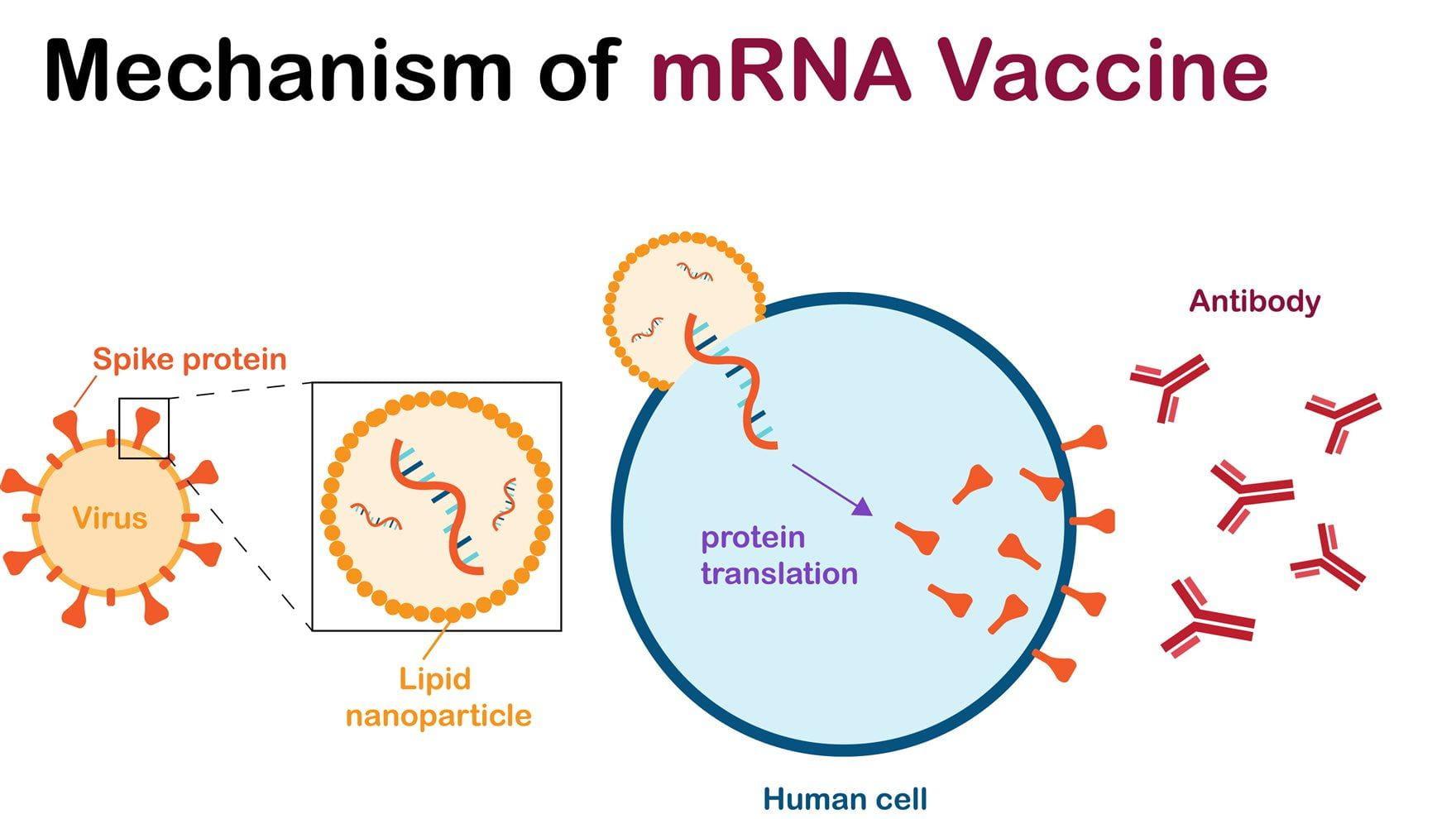
This is where mRNA vaccines come in. mRNA stands for messenger RNA, which is a molecule that carries genetic information from to protein production in our cells. The idea behind mRNA vaccines is to use synthetic mRNA molecules that encode for the protein of interest from the disease-causing agent. These mRNA molecules are then delivered to our cells using special lipid nanoparticles that protect them from degradation and help them enter the cells.
Once inside the cells, the mRNA molecules act as instructions for our cells to make the protein of interest. This protein then stimulates an immune response against the disease-causing agent.
mRNA vaccines have several benefits over other types of vaccines. They do not require cell culture or vector viruses, so they can be produced faster and cheaper. They can also be easily modified or updated to match new or strains of disease-causing agents. They are also very potent and induce both antibody and cellular immunity.
However, developing mRNA vaccines was not easy. It took decades of research and innovation by many scientists around the world. Among them were two pioneers who made crucial discoveries that paved the way for mRNA vaccines: Dr. Katalin Karikó and Dr. Drew Weissman.
Dr. Katalin Karikó and Dr. Drew Weissman
Dr. Katalin Karikó is a Hungarian biochemist who has been fascinated by mRNA since her early career. She moved to the United States in 1985 and joined the University of Pennsylvania in 1989 as an assistant professor. There, she faced many challenges and rejections in pursuing her vision of using mRNA for therapy. But she never gave up.
Dr. Drew Weissman is an immunologist who also worked at the University of Pennsylvania. He was interested in dendritic cells, which are key players in activating our immune system and generating vaccine responses. He met Dr. Karikó in 1997 and they started collaborating on how different types of interact with the immune system.
They found that mRNA produced in the laboratory, called transcribed mRNA, was recognized as foreign by dendritic cells and triggered inflammatory reactions. This was a problem because inflammation could cause side effects and reduce protein production.
A Breakthrough Discovery
They wondered why this happened and how they could prevent it. They realized that there was a difference between the mRNA produced in the laboratory and the mRNA found in mammalian cells. The difference was in the chemical modifications of the bases, which are the building blocks of RNA.
RNA has four bases: A, U, G, and C. These bases can be chemically modified in various ways, which can affect their function and stability. In mammalian cells, RNA bases are often modified, while in laboratory-produced mRNA, they are not.
Karikó and Weissman hypothesized that the lack of modifications in laboratory-produced mRNA made it look foreign to dendritic cells and triggered inflammation. To test this, they made different variants of mRNA with different modifications and delivered them to dendritic cells. They found that one modification, called pseudouridine, almost eliminated inflammation.
Impact on mRNA Technology
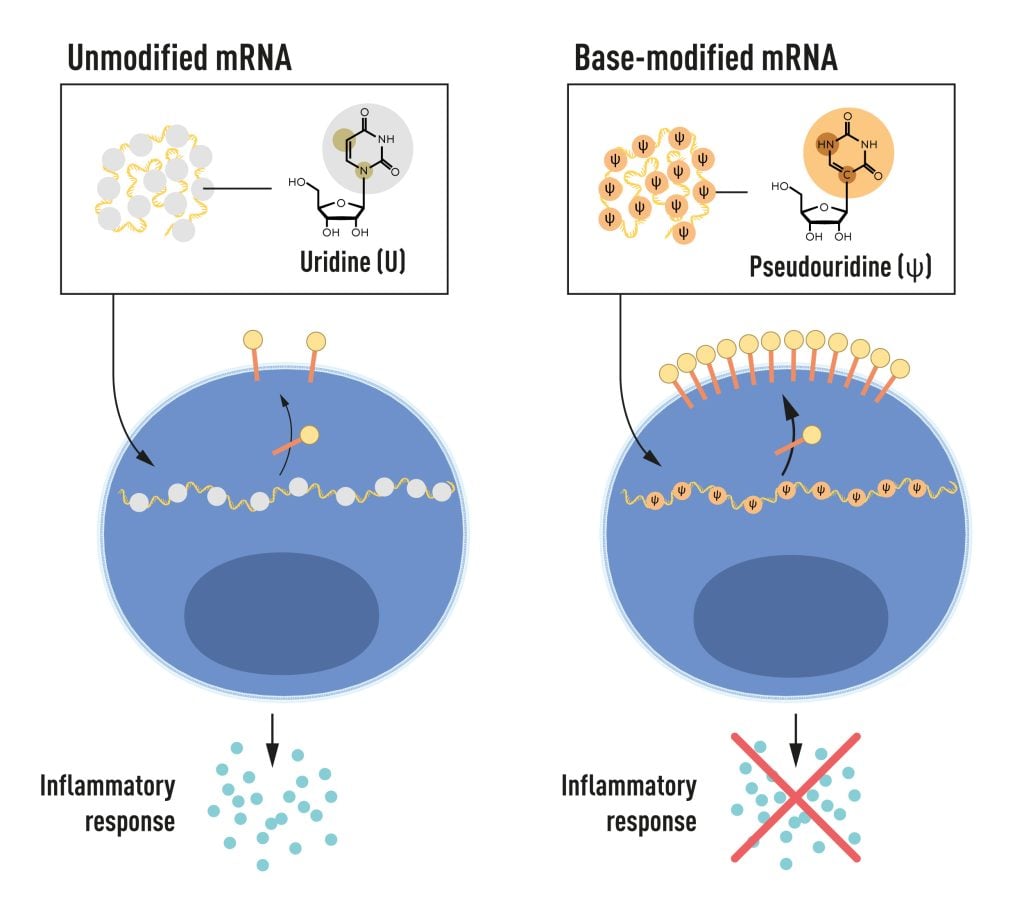
This was a breakthrough discovery that changed our understanding of how cells recognize and respond to different forms of mRNA. Karikó and Weissman published their results in 2005, 15 years before the COVID-19 pandemic.
But they did not stop there. They continued to investigate how pseudouridine-modified mRNA affected protein production. They found that it also increased protein production by reducing the activity of an that regulates . This meant that pseudouridine-modified mRNA could both reduce inflammation and increase protein expression.
They published their findings in 2008 and 2010, showing that pseudouridine-modified mRNA could deliver therapeutic proteins and induce immune responses against various diseases.
The Impact on the World
Their discoveries had a huge impact on the field of mRNA technology. They inspired many researchers and companies to develop mRNA-based vaccines and therapies for various diseases, such as Zika virus, MERS-CoV, cancer, and cystic fibrosis.
When the COVID-19 pandemic hit in 2020, two companies, Moderna and BioNTech/Pfizer, used pseudouridine-modified mRNA to develop vaccines against SARS-CoV-2, the virus that causes COVID-19. These vaccines encoded the spike protein, which is found on the surface of SARS-CoV-2 and is essential for its entry into human cells.
The vaccines were developed rapidly and showed a remarkable efficacy of around 95%. They were approved for emergency use in December 2020 and have since been administered to billions of people around the world.
The vaccines have saved millions of lives and prevented severe disease in many more. They have also helped reduce transmission and slow down the spread of new variants.
A Glimpse into the Future
The success of mRNA vaccines against COVID-19 has opened new horizons for the future of medicine and vaccination. mRNA technology offers a versatile platform that can be easily adapted to target new diseases or variants. It also has potential applications for delivering therapeutic proteins or treating certain cancers.
All this would not have been possible without the pioneering work of Dr. Katalin Karikó and Dr. Drew Weissman, who made fundamental discoveries that enabled the development of effective mRNA vaccines against COVID-19.
For their groundbreaking work, Dr. Katalin Karikó and Dr. Drew Weissman were awarded the Nobel Prize in Physiology or Medicine in 2023. Their discoveries have not only revolutionized the field of vaccinology but also opened up new possibilities for treating other diseases.
The story of mRNA vaccines is a testament to the power of scientific curiosity, perseverance, and collaboration. It shows how basic research can lead to unexpected breakthroughs that can change the world.
Stay curious, stay informed, and stay safe.
References
Resolved via Crossref
- 01Suppression of RNA Recognition by Toll-like Receptors: The Impact of Nucleoside Modification and the Evolutionary Origin of RNA
Katalin Karikó, Michael Buckstein, Houping Ni, Drew Weissman · Immunity · 2005
10.1016/j.immuni.2005.06.008 - 02Incorporation of Pseudouridine Into mRNA Yields Superior Nonimmunogenic Vector With Increased Translational Capacity and Biological Stability
Katalin Karikó, Hiromi Muramatsu, Frank A Welsh, János Ludwig, Hiroki Kato, Shizuo Akira +1 more · Molecular Therapy · 2008
10.1038/mt.2008.200
In the literature
PubMed and arXiv
- PubMed2024mRNA Vaccines, Public Health, and the Nobel Prize.Binns C, Low WY · Asia-Pacific journal of public healthRead the paper
- PubMed2023The Nobel Prize awarded to pioneers of mRNA vaccines.Herzog RW, Giangrande PH · Molecular therapy : the journal of the American Society of Gene TherapyRead the paper
- PubMed2024Transforming vaccinology.Rappuoli R, Alter G, Pulendran B · CellRead the paper
- PubMed2021The tangled history of mRNA vaccines.Dolgin E · NatureRead the paper
Matched automatically on this article’s subjects. Relevance varies — these are suggestions for further reading, not sources for the piece above.
Sign in to save articles and join the discussion.