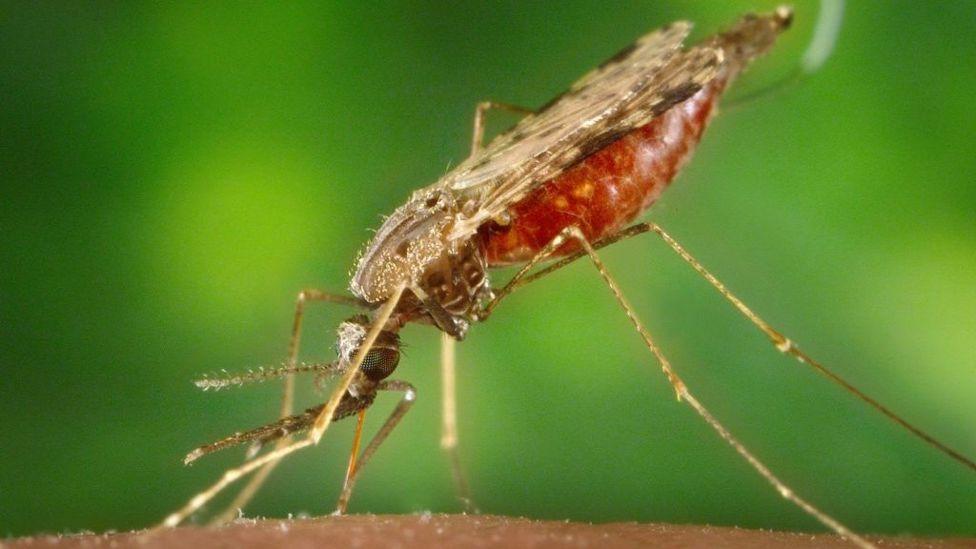
Malaria is a serious disease caused by a parasite called Plasmodium, which is transmitted through the bite of an infected female Anopheles mosquito. The disease has affected tropical and temperate regions for thousands of years, and despite efforts by organizations such as the World Health Organization (WHO) and National Malaria Eradication Programme (NMEP), it continues to be a public health concern.
Symptoms of malaria typically include yawning, fatigue, headache, and muscle pain. During a fever, patients may also experience chills and shivers, as well as acute headache, nausea, and a high temperature. After a few hours, the body will begin to sweat and the temperature will return to normal. If left untreated, the cycle of symptoms can continue to repeat. In chronic cases, there may also be general weakness, anemia (paleness), and enlargement of the spleen and liver.
There are four types of Plasmodium that can cause malaria in humans: P. Vivax, P. ovale, P. malariae, and P. falciparum. Each type of Plasmodium has slightly different symptoms and incubation periods. For example, P. Vivax causes benign tertian malaria, which attacks every third day, while P. falciparum is capable of causing three types of malaria, including malignant tertian malaria, which is often fatal.
The for malaria caused by P. Vivax is about 10 days. The disease completes its life cycle in two phases and two hosts: asexual phase in the human host and sexual phase in the female Anopheles mosquito host.
Preventing malaria is crucial in controlling the spread of the disease. The use of bed nets and insect repellent can help prevent mosquito bites, and taking antimalarial medication can also help prevent infection. In addition, WHO recommends early diagnosis and treatment of malaria, as well as the use of artemisinin-based combination therapies (ACTs) to treat the disease.
Despite the efforts to combat malaria, it continues to cause significant morbidity and mortality in many parts of the world. It is important for individuals living in or traveling to areas where malaria is common to take the necessary precautions to protect themselves from infection. With continued efforts to prevent and treat malaria, we can hopefully see a reduction in the number of cases and deaths caused by this debilitating disease.
In the literature
PubMed and arXiv
- PubMed2022Division and Transmission: Malaria Parasite Development in the Mosquito.Guttery DS, Zeeshan M, Ferguson DJP · Annual review of microbiologyRead the paper
- PubMed2021Plasmodium-a brief introduction to the parasites causing human malaria and their basic biology.Sato S · Journal of physiological anthropologyRead the paper
- PubMed2025Parasite and vector circadian clocks mediate efficient malaria transmission.Bento I, Parrington BA, Pascual R · Nature microbiologyRead the paper
- PubMed2023Heat-shock responses: systemic and essential ways of malaria parasite survival.Pires CV, Chawla J, Simmons C · Current opinion in microbiologyRead the paper
Matched automatically on this article’s subjects. Relevance varies — these are suggestions for further reading, not sources for the piece above.
Sign in to save articles and join the discussion.