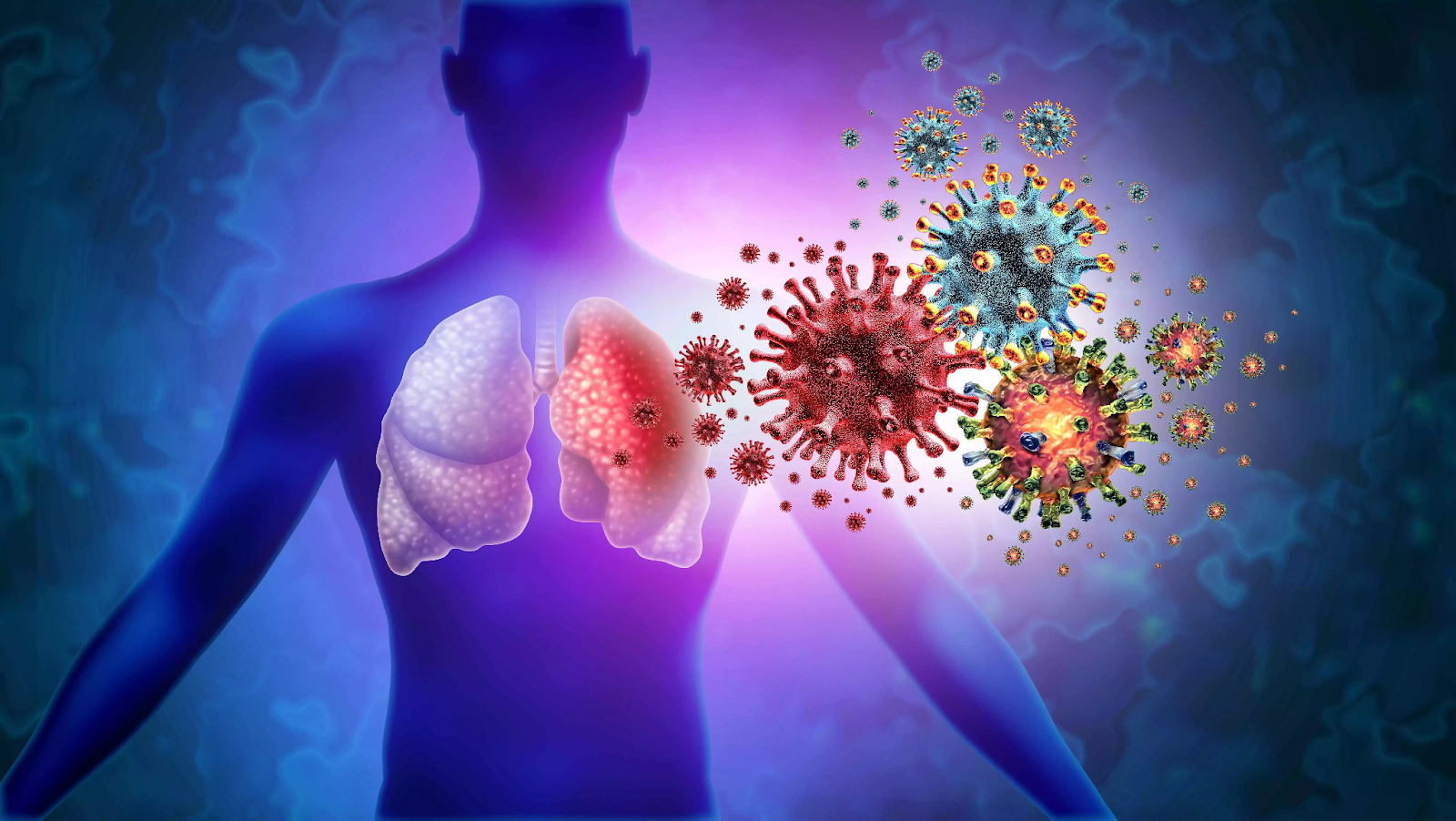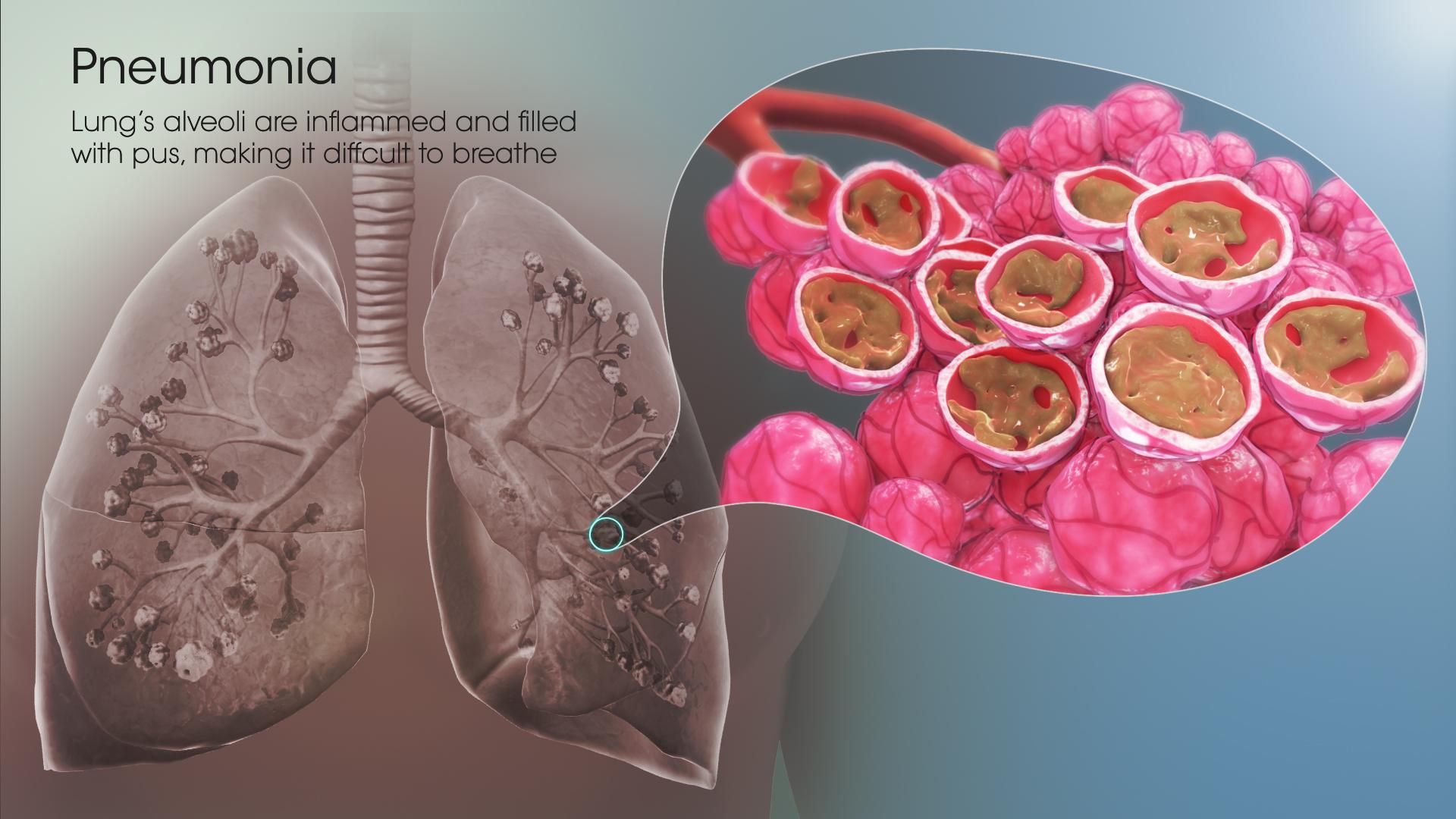
Pneumonia is a serious lung infection that can be caused by a variety of microorganisms, including bacteria, , and fungi. The infection causes inflammation in the lungs, leading to difficulty breathing, chest pain, and a cough with mucus. Pneumonia can range in severity from mild to life-threatening, and it is a leading cause of death worldwide, especially in young children and older adults.
There are two types of pneumonia: community-acquired pneumonia (CAP) and hospital-acquired pneumonia (HAP). CAP is contracted outside of a healthcare setting and can be caused by a variety of microorganisms, including Streptococcus pneumoniae, Haemophilus influenzae, and atypical bacteria such as Mycoplasma pneumoniae and Chlamydia pneumoniae. HAP, on the other hand, is acquired during a hospital stay and is often caused by multidrug-resistant bacteria such as methicillin-resistant Staphylococcus aureus (MRSA) and Klebsiella pneumoniae.
Symptoms of pneumonia can vary depending on the type and severity of the infection. Common symptoms include fever, chills, cough, chest pain, and difficulty breathing. Other symptoms may include nausea, vomiting, fatigue, and muscle aches. In some cases, the infected person may also experience confusion, especially in older adults. In severe cases, pneumonia can lead to sepsis, a life-threatening complication of an infection, which can cause organ failure and death.
Pneumonia can be diagnosed through physical examination, chest x-ray, blood tests, and sputum culture. Treatment for pneumonia depends on the cause of the infection and the person's overall health. Bacterial pneumonia is treated with , while viral pneumonia is treated with antiviral medications. In some cases, hospitalization may be necessary for those who are severely ill or have underlying health conditions.
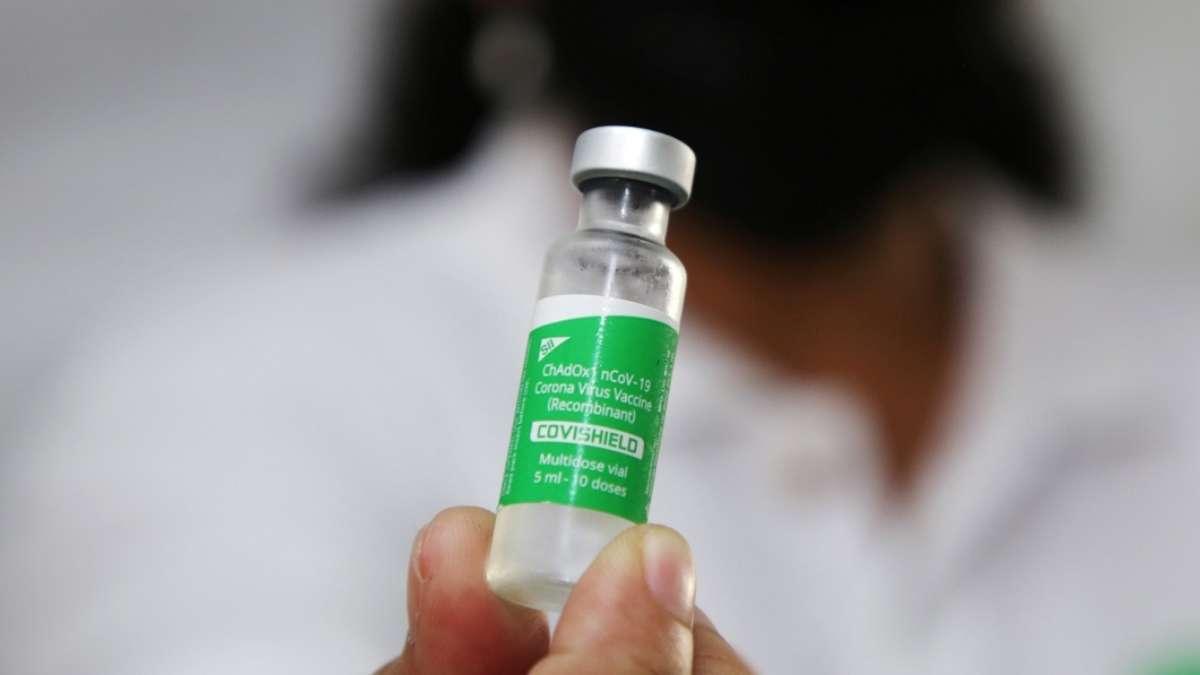
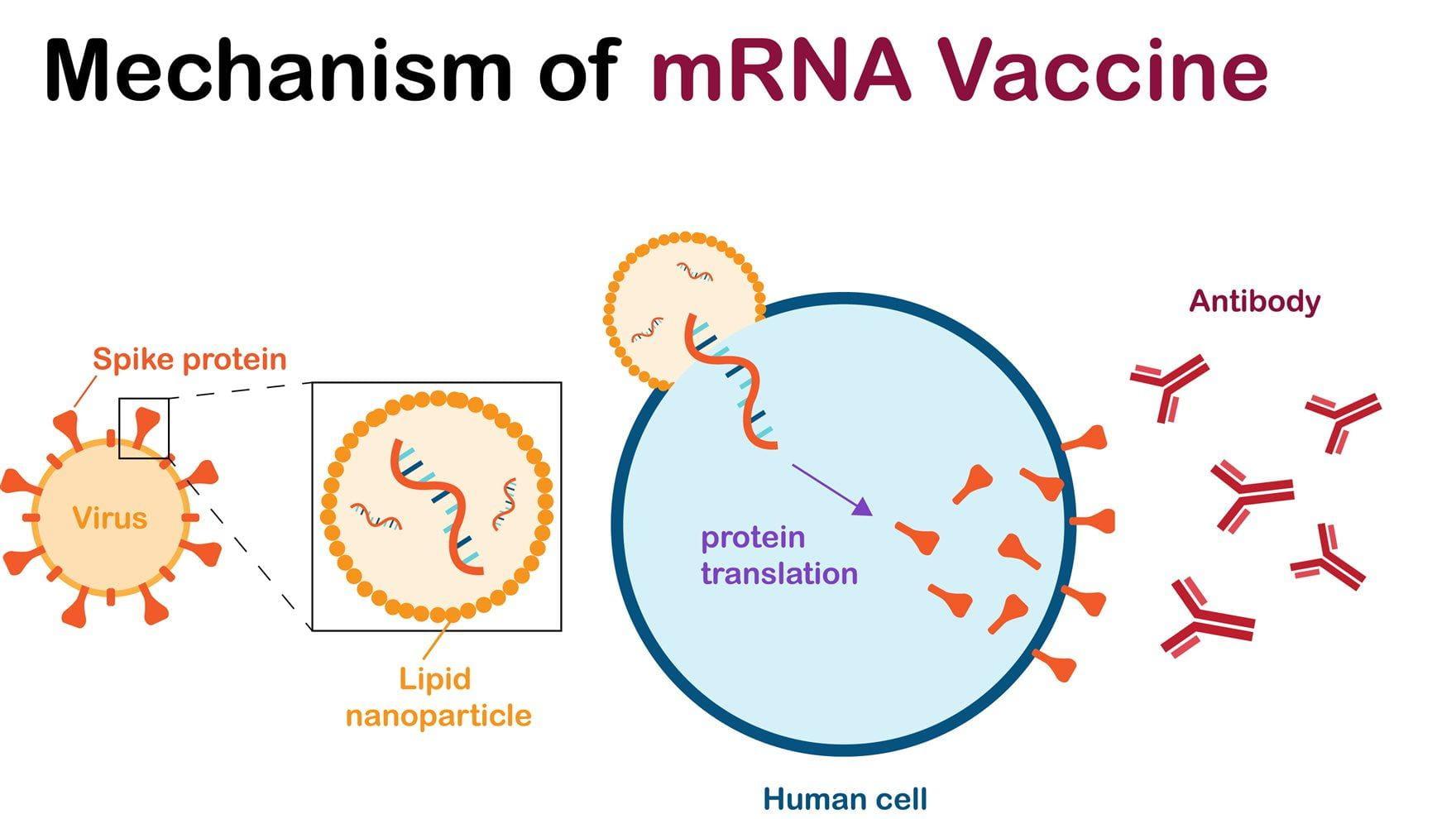
Prevention of pneumonia is crucial in reducing the incidence and severity of the disease. are available to protect against certain types of pneumonia, including the pneumococcal vaccine, which protects against Streptococcus pneumoniae, and the Haemophilus influenzae type b (Hib) vaccine. Other preventive measures include practicing good hand hygiene, avoiding close contact with people who are sick, and quitting smoking.
Pneumonia is a serious and potentially life-threatening infection that affects millions of people worldwide. With prompt diagnosis and treatment, the majority of people with pneumonia will recover fully. However, it is important to take the necessary precautions to prevent the spread of the disease and protect yourself from infection. Vaccination, good hygiene practices and avoiding close contact with people who are sick are some of the preventive measures that can be taken. With continued efforts to prevent and treat pneumonia, we can hopefully see a reduction in the number of cases and deaths caused by this debilitating disease.
In the literature
PubMed and arXiv
- PubMed2023Poor Oral Health in the Etiology and Prevention of Aspiration Pneumonia.Scannapieco FA · Clinics in geriatric medicineRead the paper
- PubMed2021Oral health's inextricable connection to systemic health: Special populations bring to bear multimodal relationships and factors connecting periodontal disease to systemic diseases and conditions.Kapila YL · Periodontology 2000Read the paper
- PubMed2011Viral pneumonia.Ruuskanen O, Lahti E, Jennings LC · Lancet (London, England)Read the paper
- PubMed2020Pathophysiology, Transmission, Diagnosis, and Treatment of Coronavirus Disease 2019 (COVID-19): A Review.Wiersinga WJ, Rhodes A, Cheng AC · JAMARead the paper
Matched automatically on this article’s subjects. Relevance varies — these are suggestions for further reading, not sources for the piece above.
Sign in to save articles and join the discussion.