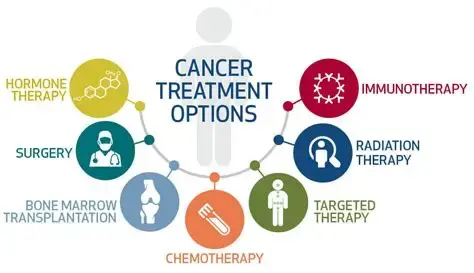
There are many different approaches to treating cancer, and the most appropriate treatment for an individual patient depends on several factors, including the type and stage of the cancer, the patient's age and overall health, and the potential side effects of the treatment. Some common cancer treatments include:
-
Surgery: This involves removing the cancerous tissue using a variety of surgical techniques. Surgery can be used to remove a , lymph nodes, or other affected tissue.
-
Chemotherapy: This involves the use of drugs to kill cancer cells or stop them from dividing. can be given as a pill, injection, or through a vein.
-
Radiation therapy: This involves the use of high-energy rays to kill cancer cells or shrink tumors.
-
Targeted therapy: This involves the use of drugs or other substances that target specific abnormalities in cancer cells. This type of therapy can be more effective and have fewer side effects than chemotherapy.
-
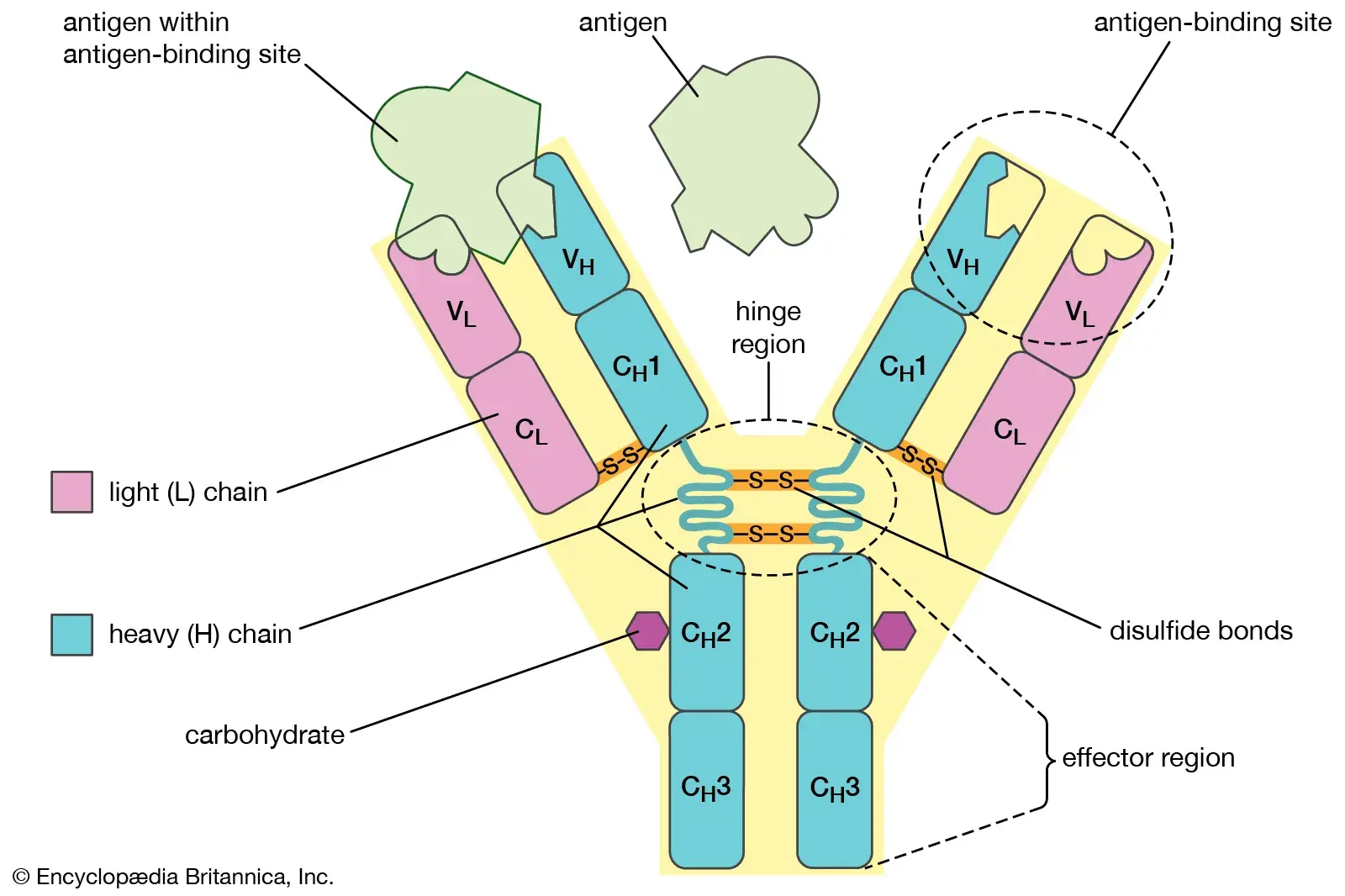
Immunotherapy: This involves using the body's own to fight cancer. This can be done by activating or boosting the immune system, or by using substances that mimic the body's natural defenses.
While there is currently no universal cure for cancer, significant progress has been made in the diagnosis and treatment of many types of cancer. Many people with cancer can be cured, especially if the cancer is detected and treated in its early stages.
Some cancer types, such as certain leukemias and lymphomas, can be effectively treated with chemotherapy and other treatments, resulting in long-term remission or even a cure in some cases. Other types of cancer, such as breast and colon cancer, can often be cured through surgery to remove the cancerous tissue, combined with chemotherapy or radiation therapy to kill any remaining cancer cells.
However, cancer is a complex and heterogeneous disease, and not all types of cancer are equally responsive to treatment. Some types of cancer, such as pancreatic cancer, are difficult to treat and often have a poor prognosis.
Researchers are constantly working to develop new and more effective cancer treatments. This includes studying the use of combinations of different treatments, as well as developing new drugs and therapies that target specific molecular pathways involved in cancer development and progression. are often used to test the safety and effectiveness of new cancer treatments.
References
Resolved via Crossref
- 01Cancer immunotherapy using checkpoint blockade
Antoni Ribas, Jedd D. Wolchok · Science · 2018
10.1126/science.aar4060
In the literature
PubMed and arXiv
- PubMed2025Prevention of cancer therapy-related cardiac dysfunction and heart failure in cancer patients and survivors. A Clinical Consensus Statement of the Heart Failure Association, the European Association…Rakisheva A, Farmakis D, Attanasio A · European journal of heart failureRead the paper
- PubMed2024The roles of ferroptosis in cancer: Tumor suppression, tumor microenvironment, and therapeutic interventions.Lei G, Zhuang L, Gan B · Cancer cellRead the paper
- PubMed2025Precision oncology: transforming cancer care through personalized medicine.Rituraj, Pal RS, Wahlang J · Medical oncology (Northwood, London, England)Read the paper
- PubMed2019Exercise is medicine in oncology: Engaging clinicians to help patients move through cancer.Schmitz KH, Campbell AM, Stuiver MM · CA: a cancer journal for cliniciansRead the paper
Matched automatically on this article’s subjects. Relevance varies — these are suggestions for further reading, not sources for the piece above.
Sign in to save articles and join the discussion.