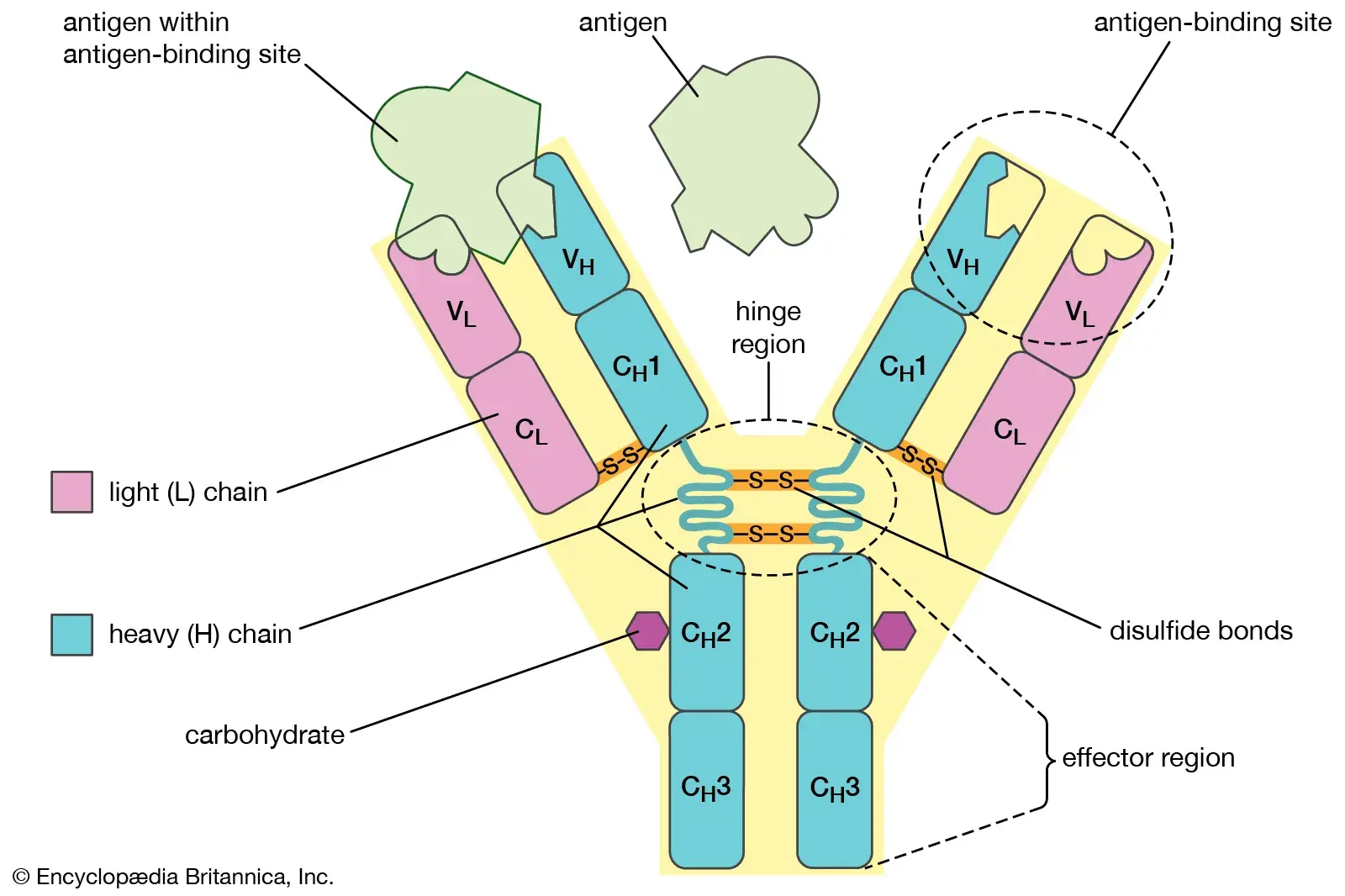
are a type of that are produced in the laboratory. They are designed to recognize and bind to specific proteins or substances in the body.
These proteins are created by cloning a single immune cell and using it to produce a large number of identical . They are called "monoclonal" because they are all identical, as they are derived from a single cell.
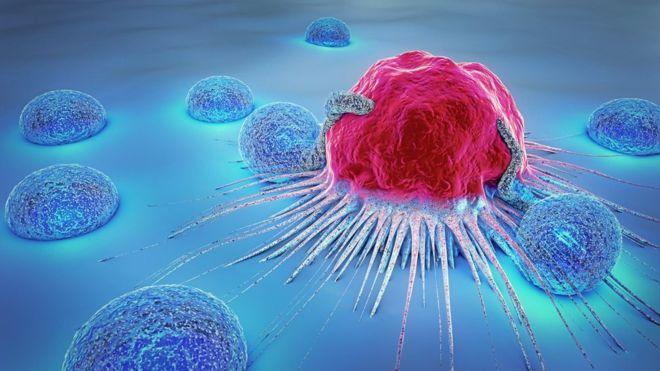
Monoclonal antibodies are used in a variety of medical treatments and research applications. They can be used to target and attack specific cells or substances in the body, such as cancer cells or . They can also be used to help diagnose diseases, as they can be designed to bind to specific proteins that are associated with certain conditions.
One of the main advantages of monoclonal antibodies is their specificity. Because they are designed to bind to a specific target, they are less likely to have negative side effects on other parts of the body. This makes them an attractive option for treating diseases and conditions that require targeted therapy.
Monoclonal antibodies are also highly effective at activating the to fight off foreign invaders. They can trigger the production of other immune cells and molecules that help to eliminate the targeted cells or substances.
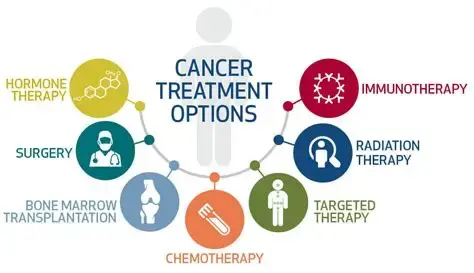
There are several different types of monoclonal antibodies that are used in medicine, including those that are administered intravenously, subcutaneously, or topically. They are often used in combination with other therapies, such as or radiation, to enhance their effectiveness.
Monoclonal antibodies have had a significant impact on the field of medicine and have been used to treat a variety of conditions, including cancer, autoimmune diseases, and infectious diseases. They are an important tool in the fight to keep the human body healthy and strong.
References
Resolved via Crossref
- 01Continuous cultures of fused cells secreting antibody of predefined specificity
G. KÖHLER, C. MILSTEIN · Nature · 1975
10.1038/256495a0
In the literature
PubMed and arXiv
- PubMed2020Bispecific Antibodies and Antibody-Drug Conjugates for Cancer Therapy: Technological Considerations.Shim H · BiomoleculesRead the paper
- PubMed2024Fcγ receptors and immunomodulatory antibodies in cancer.Galvez-Cancino F, Simpson AP, Costoya C · Nature reviews. CancerRead the paper
- PubMed2020Antibody-Drug Conjugates for Cancer Therapy.Hafeez U, Parakh S, Gan HK · Molecules (Basel, Switzerland)Read the paper
- PubMed2026The making of multispecific immunoglobulins - a clinical perspective.Brinkmann U, Kontermann RE · mAbsRead the paper
Matched automatically on this article’s subjects. Relevance varies — these are suggestions for further reading, not sources for the piece above.
Sign in to save articles and join the discussion.