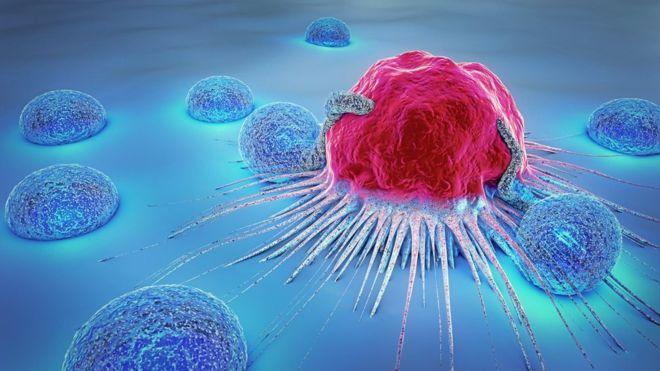
Cancer is a term used to describe a group of diseases characterized by the uncontrolled growth and spread of abnormal cells in the body. There are many different types of cancer, each of which can affect different parts of the body and can be caused by a variety of factors.
The main causes of cancer are tobacco use, unhealthy diet and physical inactivity, infections, and exposure to radiation and certain chemicals. Some people are also at higher risk of developing cancer due to inherited genetic or a family history of cancer.
Symptoms of cancer can vary depending on the type and location of the cancer. Common symptoms may include a persistent cough or hoarseness, unexplained weight loss, abnormal bleeding or discharge, a change in bowel or bladder habits, and a persistent change in a mole or skin lesion.
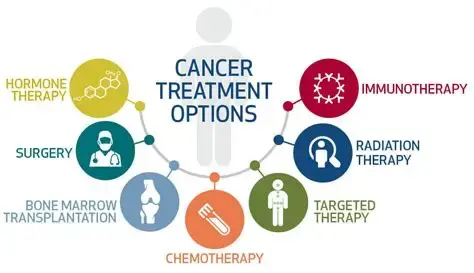
Diagnosis of cancer may involve a variety of tests, including physical exams, imaging tests, biopsies, and laboratory tests. Treatment options for cancer may include surgery, , radiation therapy, immunotherapy, and targeted therapy. Some people may receive a combination of these treatments.
Some areas of research in cancer include
Cancer prevention: Researchers are working to identify factors that increase the risk of developing cancer and to develop strategies to reduce that risk. This may include studying the role of genetics, environmental factors, and lifestyle behaviors in cancer development.
-
Cancer diagnosis: Researchers are working to develop more accurate and sensitive methods for detecting cancer early, when it is most treatable. This may include the use of biomarkers, imaging technologies, or other diagnostic tools.
-
Cancer treatment: Researchers are exploring a range of treatments for cancer, including chemotherapy, radiation therapy, surgery, and targeted therapies. They are also studying ways to improve the effectiveness and reduce the side effects of these treatments.
-
Cancer survivorship: Researchers are studying the long-term physical, emotional, and social effects of cancer and its treatment on survivors, and are working to develop interventions to improve the quality of life for cancer survivors.
There are many organizations and institutions dedicated to cancer research, including government agencies, foundations, and pharmaceutical companies. These organizations fund and conduct a wide range of cancer research studies, from basic science to , in an effort to improve our understanding of cancer and develop new and better treatments.
Researchers are continually working to improve cancer treatments and find new ways to prevent and cure cancer. It is important for people to take steps to reduce their risk of developing cancer, such as not smoking, maintaining a healthy diet and weight, and getting regular screenings. It is also important for people with cancer to work with a healthcare team to develop a treatment plan that is right for them.
References
Resolved via Crossref
- 01Hallmarks of Cancer: New Dimensions
Douglas Hanahan · Cancer Discovery · 2022
10.1158/2159-8290.cd-21-1059
In the literature
PubMed and arXiv
- PubMed2020The dormant cancer cell life cycle.Phan TG, Croucher PI · Nature reviews. CancerRead the paper
- PubMed2025Cyclin-dependent protein kinases and cell cycle regulation in biology and disease.Pellarin I, Dall'Acqua A, Favero A · Signal transduction and targeted therapyRead the paper
- PubMed2017Pan-cancer Immunogenomic Analyses Reveal Genotype-Immunophenotype Relationships and Predictors of Response to Checkpoint Blockade.Charoentong P, Finotello F, Angelova M · Cell reportsRead the paper
- PubMed2024Innovating Cancer Treatment Through Cell Cycle, Telomerase, Angiogenesis, and Metastasis.Yousefi T, Mohammadi Jobani B, Taebi R · DNA and cell biologyRead the paper
Matched automatically on this article’s subjects. Relevance varies — these are suggestions for further reading, not sources for the piece above.
Topics
Sign in to save articles and join the discussion.