Historical Perspective of Plant Tissue Culture
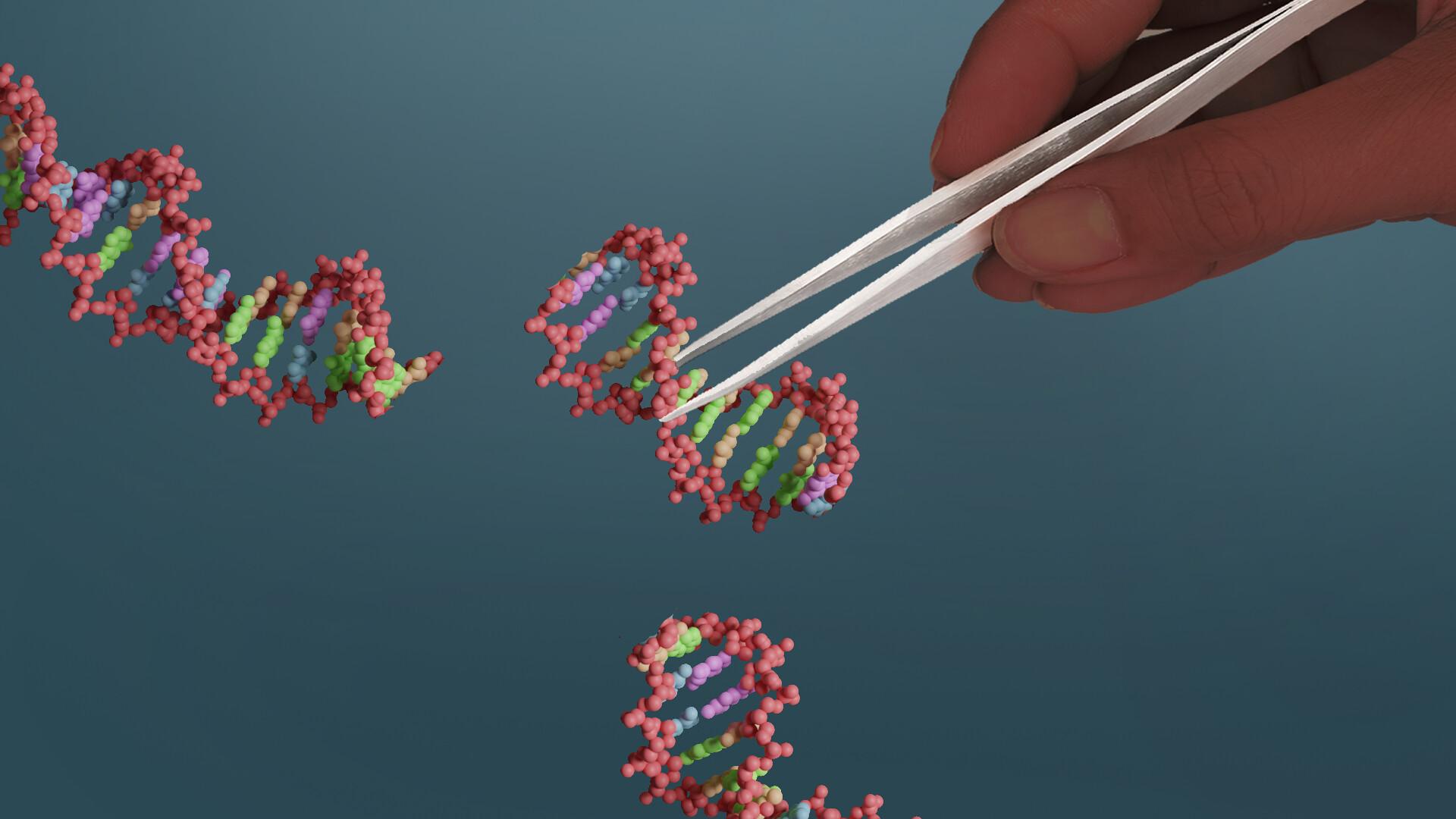
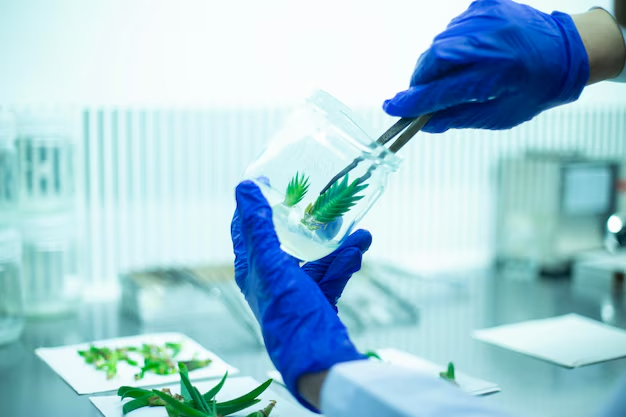
Plant is a technique that allows the growth of plant cells, tissues, or organs in an artificial, sterile environment, using nutrient media. This method has become a cornerstone of modern plant biotechnology, enabling the propagation of plants, genetic modification, and conservation of endangered species.
Early Contributions:
- Gottlieb Haberlandt (1902): He proposed that plant cells could be cultured to develop into full plants. This idea introduced the concept of totipotency (the ability of a single plant cell to regenerate into a complete plant). Although his experiments failed to achieve the expected results due to a lack of knowledge about plant hormones, his work laid the theoretical groundwork for future advancements in plant tissue culture.
Key Milestones:
-
Philip White (1939): White was the first to successfully culture root tips of plants (specifically tomatoes) on a synthetic nutrient medium. His work demonstrated that plant tissues could indeed grow under controlled conditions, which was a significant leap forward.
-
F.C. Steward (1958): Steward's work on carrot root tissue led to the regeneration of whole carrot plants from small tissue samples. This was the first experimental demonstration of totipotency in action, proving that plant cells can indeed revert to a less specialized state and develop into a complete organism.
-
Skoog and Miller (1957): Their research on the relationship between plant hormones auxins and cytokinins in the regulation of plant growth opened new doors for plant tissue culture techniques. Their experiments showed how manipulating these hormone levels could trigger different outcomes—root or shoot formation—depending on the relative concentration of each hormone.
These early studies laid the foundation for the development of techniques that are now routinely used in agriculture, horticulture, and conservation. Modern applications include micropropagation (the mass production of plants), genetic engineering, and germplasm conservation.
Concept of Totipotency: Dedifferentiation and Redifferentiation
Totipotency is a fundamental concept in plant biology, particularly in tissue culture. It refers to the ability of a single plant cell, regardless of its type, to regenerate into an entire plant under suitable conditions.
Dedifferentiation:
- Dedifferentiation is the process where specialized, mature plant cells lose their specialized characteristics and revert to a simpler, unspecialized state.
- In plant tissue culture, this process occurs when plant cells, tissues, or organs are placed on a nutrient medium with specific plant hormones. The cells "forget" their specialized functions (e.g., leaf, root, or ) and revert to a more embryonic form.
- The dedifferentiated cells often form a mass of undifferentiated cells known as a callus. This callus is essentially a cluster of unprogrammed cells capable of growing into any part of a plant.
Redifferentiation:
- Redifferentiation is the process where these unspecialized callus cells are induced to take on specific roles again, such as forming roots, shoots, or leaves, to develop into a complete plant.
- The shift from dedifferentiation to redifferentiation is controlled by the composition of the culture medium, particularly the balance of plant growth hormones, which act as signals to guide the development of specific tissues or organs.
Significance in Plant Tissue Culture:
- Totipotency allows plant scientists to propagate plants from very small tissue samples, even from a single cell.
- This concept is vital for cloning plants (producing genetically identical plants), regenerating plants from genetically modified cells, and conserving endangered plant species.
The manipulation of totipotency through dedifferentiation and redifferentiation is what makes plant tissue culture a powerful tool in both research and commercial agriculture.
Media Composition: Types of Nutrient Media and Role of Phytohormones
In plant tissue culture, the success of cell growth and regeneration largely depends on the composition of the nutrient medium used. This medium must provide all the essential nutrients, hormones, and conditions necessary for the survival and growth of plant tissues.
Components of Nutrient Media:
-
Macronutrients: These are essential elements required in larger quantities:
- Nitrogen (N): Vital for and cell growth.
- Phosphorus (P): Important for energy transfer and genetic material (, ).
- Potassium (K): Regulates osmotic balance and activity.
- Calcium (Ca): Necessary for cell wall stability and signaling.
- Magnesium (Mg): Central to chlorophyll and enzymatic reactions.
- Sulfur (S): A key component of certain amino acids and coenzymes.
-
Micronutrients: These are required in much smaller amounts but are equally critical:
- Iron (Fe): Essential for chlorophyll synthesis and redox reactions.
- Manganese (Mn): Activates enzymes involved in respiration and photosynthesis.
- Zinc (Zn), Copper (Cu), Boron (B): Vital for various enzymatic and metabolic processes.
-
Carbon Source: Since the tissues grown in vitro are often isolated from their usual source of energy (photosynthesis), an external carbon source like sucrose is provided to support growth.
-
Vitamins: Some common vitamins added to nutrient media include:
- Thiamine (B1): Involved in carbohydrate metabolism.
- Pyridoxine (B6) and Nicotinic Acid (B3): Both are co-factors in numerous biochemical reactions.
-
Gelling Agent: In solid media, agents like agar or gelrite are used to solidify the medium, providing a stable surface for plant tissue to grow on. Liquid media without these agents can be used for suspension cultures.
-
Water: High-purity water (distilled or deionized) is essential to dissolve all nutrients and provide the moisture needed for plant tissue growth.
Types of Nutrient Media:
-
Murashige and Skoog (MS) Medium: The most commonly used plant tissue culture medium, MS medium is rich in both macronutrients and micronutrients and is highly versatile for growing many plant species.
-
Gamborg’s B5 Medium: Favored for callus and cell suspension cultures, it contains a higher concentration of specific vitamins and nitrogen sources.
-
White’s Medium: One of the oldest media, primarily used for root culture, as it supports better root initiation and growth.
Role of Phytohormones in Plant Tissue Culture
Plant hormones, also known as phytohormones, play a critical role in regulating plant growth and development in tissue culture. Their balance and concentration determine whether a plant cell will divide, differentiate into a root, shoot, or remain as undifferentiated callus tissue.
Main Types of Phytohormones:
-
Auxins:
- Examples: Indole-3-acetic acid (IAA), Indole-3-butyric acid (IBA), and 2,4-Dichlorophenoxyacetic acid (2,4-D).
- Function: Auxins primarily promote cell elongation and are crucial for root formation. They also help maintain the dedifferentiated state of callus.
- Action: In high concentrations, auxins encourage the formation of roots. In low concentrations, they maintain the cell in an undifferentiated state.
-
Cytokinins:
- Examples: Benzylaminopurine (BAP), Kinetin, and Zeatin.
- Function: Cytokinins promote cell division and shoot initiation.
- Action: When present in higher concentrations than auxins, cytokinins induce the development of shoots from callus tissues.
-
Gibberellins (GA):
- Function: Gibberellins stimulate stem elongation, seed germination, and flowering.
- Action: While not often used in tissue culture, gibberellins can be helpful in promoting elongation and breaking seed dormancy.
-
Abscisic Acid (ABA):
- Function: ABA induces dormancy and helps in stress responses like drought. It can also promote somatic embryogenesis (the process of forming embryos from somatic or non-reproductive cells).
-
Ethylene:
- Function: Ethylene is a gaseous hormone that can inhibit or promote growth depending on the concentration. In tissue culture, too much ethylene can inhibit shoot and root development, so its levels need to be carefully controlled.
Hormone Interactions:
The balance of auxins and cytokinins is key to determining the fate of plant cells in culture:
- High auxin, low cytokinin: Promotes root formation.
- High cytokinin, low auxin: Promotes shoot formation.
- Balanced auxin and cytokinin: Encourages the formation of callus tissue.
Cell Culture Techniques
Cell culture techniques are essential tools in plant biotechnology, allowing the growth and study of plant cells, tissues, or organs under controlled, sterile conditions. These techniques are vital for plant propagation, genetic modification, and various research applications.
1. Cell Culture
Cell culture involves the growth of individual plant cells that are isolated from a plant’s tissue. These cells are maintained in a controlled environment in nutrient media, often as part of a liquid suspension culture.
Applications:
- Single-cell analysis: Researchers can study the behavior and properties of individual plant cells, such as metabolism, growth, and division.
- Genetic studies: Cell cultures are used to introduce new into individual plant cells, which can then regenerate into a full plant.
- Mutagenesis: Scientists can use cell cultures to induce and select cells with desirable traits for further breeding.
Key Concepts:
- Totipotency: Each plant cell has the potential to regenerate into a complete plant under the right conditions, thanks to totipotency.
- Sterility: To ensure the successful growth of cells, sterile conditions are critical. Contamination can disrupt the growth of plant cells.
Procedure:
-
Isolation of Cells:
- Cells can be isolated from plant tissue through mechanical disruption (e.g., cutting or grinding tissue) or enzymatic digestion (using enzymes like cellulase and pectinase to break down the cell wall and release the cells).
- The isolated cells are filtered and collected, ensuring they are separated from larger tissue fragments.
-
Inoculation in Liquid Medium:
- Once isolated, the cells are placed in a liquid medium that contains nutrients essential for their survival and growth.
- The medium includes carbon sources (sucrose), macronutrients (nitrogen, potassium, calcium), micronutrients (zinc, iron), and vitamins.
-
Shaking and Aeration:
- The culture is placed on a shaker, which ensures that the cells remain suspended and receive adequate aeration.
- Shaking helps prevent the cells from clumping together and ensures that each cell has access to the nutrients and oxygen in the medium.
-
Growth and Monitoring:
- The cells divide and grow, forming small aggregates called microcolonies.
- The cell suspension is periodically monitored for growth, and subculturing is done when necessary to prevent nutrient depletion or overgrowth.
Applications:
- Single-cell studies: Researchers can study the properties of individual cells, including their growth rates, responses to external stimuli (e.g., hormones), and metabolism.
- Mutagenesis: Individual plant cells can be subjected to mutagens to induce genetic changes, and desirable mutations can be selected for propagation.
- Genetic Engineering: Plant cells can be genetically modified through techniques like Agrobacterium-mediated transformation or gene gun. Once transformed, these cells can regenerate into full plants, carrying the new genetic traits.
2. Tissue Culture
Tissue culture involves the growth of plant tissue explants (small sections of plant tissue) in an artificial, controlled environment. Tissue culture is widely used for micropropagation—the rapid production of plants from small tissue samples.
Procedure:
-
Selection of Explant:
- An explant is a small section of plant tissue (e.g., leaf, stem, root) that is taken from a donor plant.
- Explants are chosen based on the desired outcome (e.g., leaf explants for shoot formation, root explants for root regeneration).
-
Sterilization:
- The explant is sterilized to remove any contaminants, such as fungi, bacteria, or molds. This is done using chemicals like ethanol or sodium hypochlorite.
- After sterilization, the explant is rinsed thoroughly in sterile water to remove any residual sterilizing agents.
-
Inoculation in Nutrient Medium:
- The explant is placed on a solid nutrient medium, which contains the essential nutrients, growth regulators (hormones like auxins and cytokinins), and sometimes a gelling agent like agar.
- The medium supports the growth and differentiation of cells, guiding them to form roots, shoots, or callus tissue.
-
Induction of Callus:
- With the right balance of hormones (high auxin to cytokinin ratio), the explant may form a callus, a mass of undifferentiated cells.
- This callus can then be manipulated to regenerate into a full plant by adjusting the hormone levels.
-
Regeneration:
- By carefully altering the balance of auxins and cytokinins in the medium, the callus tissue is induced to differentiate into specific organs (roots or shoots).
- For instance, a higher cytokinin to auxin ratio promotes shoot formation, while a higher auxin to cytokinin ratio encourages root formation.
-
Acclimatization:
- Once the plantlets are fully formed, they are transferred to soil for acclimatization. Initially, they are placed in controlled environments to adjust to non-sterile conditions before being planted in open soil.
Applications:
- Mass Propagation: Tissue culture allows for the large-scale production of genetically identical plants, which is valuable in horticulture and agriculture.
- Disease Elimination: Plants free of can be produced through tissue culture, as the process occurs in a sterile environment.
- Conservation: Rare or endangered species can be propagated in tissue culture to prevent their extinction.
3. Organ Culture
Organ culture focuses on growing intact plant organs (e.g., roots, shoots, leaves) in vitro. The goal is to maintain the structure and function of the organ in culture.
Procedure:
-
Selection of Plant Organ:
- Plant organs, such as shoot tips, root tips, leaves, or flower buds, are selected for culture. Each organ is used depending on the research objectives, such as studying organogenesis or clonal propagation.
-
Sterilization:
- The organ is sterilized using chemical sterilants, similar to the process in tissue culture. Special care is taken not to damage the organ during sterilization.
-
Culture Medium:
- The organ is placed on a nutrient medium that contains all the essential nutrients and hormones to support its growth and development.
- For root or shoot growth, specific hormones are required:
- Auxins (e.g., IAA, IBA) for root initiation.
- Cytokinins (e.g., BAP, kinetin) for shoot growth.
-
Growth Monitoring:
- The organ grows in culture and maintains its structure. Root cultures grow in length, while shoot tips produce new leaves or lateral shoots.
Applications:
- Clonal Propagation: Organ culture, particularly shoot tip culture, is used for micropropagation, producing large numbers of identical plants.
- Studying Organ Development: Researchers use organ culture to study the development, physiology, and response of individual organs to various stimuli, such as hormones or environmental stress.
- Secondary Metabolite Production: Certain organs, like roots or shoots, can be cultured to produce valuable secondary metabolites (e.g., alkaloids, flavonoids) for medicinal purposes.
4. Callus Culture
Callus culture involves growing a mass of undifferentiated plant cells (called callus) from explants. The callus can be further manipulated to regenerate into whole plants or used for studies.
Procedure:
-
Induction of Callus:
- An explant is placed on a medium rich in auxins and cytokinins to induce the formation of callus tissue.
- Callus formation occurs due to dedifferentiation, where the plant cells lose their specialization and revert to an undifferentiated state.
-
Subculture:
- Callus tissue is subcultured onto fresh media periodically to maintain its growth. This also prevents nutrient depletion and contamination.
-
Regeneration:
- The callus can be induced to differentiate into specific organs or whole plants by altering the hormone levels.
- A higher cytokinin-to-auxin ratio promotes shoot development, while a higher auxin-to-cytokinin ratio promotes root formation.
-
Applications of Callus:
- Genetic Transformation: Callus cells are amenable to genetic transformation, where foreign DNA can be introduced, and the modified callus can regenerate into transgenic plants.
- Somatic Embryogenesis: Callus cultures are used to produce somatic embryos, which are embryos formed from somatic cells rather than from sexual reproduction.
- Mutagenesis: Callus can be subjected to mutagenic agents, and mutants with desirable traits can be selected and regenerated into full plants.
5. Suspension Culture
Suspension culture is the cultivation of plant cells or small cell aggregates in a liquid medium. The culture is continuously agitated to keep the cells in suspension.
Procedure:
-
Initiation:
- Suspension cultures are initiated by transferring small portions of callus tissue into a liquid medium.
- The medium is typically the same as that used for solid media, minus the gelling agent.
-
Shaking or Stirring:
- The culture flask is placed on a shaker or a stirrer to keep the cells suspended and ensure proper aeration.
- Agitation prevents cells from clumping and ensures uniform nutrient access.
-
Growth and Monitoring:
- Cells multiply and grow as small aggregates. The culture is monitored, and cells are subcultured periodically into fresh medium to prevent overcrowding and nutrient depletion.
-
Scaling Up:
- Suspension cultures can be scaled up to large bioreactors for commercial production of plant cells or metabolites.
Applications:
- Mass Production of Cells: Suspension cultures are used for large-scale production of plant cells, which can be
used for the extraction of valuable secondary metabolites.
- Phytochemical Production: Certain plant cells produce secondary metabolites (e.g., alkaloids, flavonoids) in suspension cultures, which can be harvested for use in pharmaceuticals and cosmetics.
6. Protoplast Culture
Protoplast culture refers to the cultivation of plant cells that have had their cell walls removed. Protoplasts are useful for genetic manipulation and hybridization.
Procedure:
-
Isolation of Protoplasts:
- Plant tissue (usually leaves or cells from suspension cultures) is treated with enzymes like cellulase and pectinase, which digest the cell walls, leaving behind protoplasts.
- The protoplasts are fragile and must be handled carefully in an osmoticum, a solution that prevents them from bursting due to osmotic pressure.
-
Culture and Regeneration:
- The protoplasts are cultured in a liquid medium that supports their survival and encourages them to regenerate their cell walls.
- After regenerating their walls, protoplasts can divide and form a callus, which can be induced to regenerate into a full plant.
-
Protoplast Fusion:
- Protoplast fusion involves fusing protoplasts from different species or genotypes. This technique can create somatic hybrids, combining the desirable traits of both parent plants.
Applications:
- Somatic Hybridization: Protoplast fusion is used to produce hybrids between species that cannot be crossed sexually, broadening the possibilities for plant breeding.
- Genetic Engineering: Protoplasts can be directly transformed with foreign DNA, leading to the production of genetically modified plants.
- Cell Wall Studies: Protoplasts are valuable for studying the processes involved in cell wall regeneration and plant cell physiology.
Plant Regeneration Pathways: Organogenesis and Somatic Embryogenesis
Plant regeneration, the process of producing new plants from various plant tissues, cells, or organs, is central to plant tissue culture and biotechnology. Two major pathways enable this regeneration: organogenesis and somatic embryogenesis. Both processes utilize the concept of totipotency, which is the inherent ability of plant cells to regenerate into a complete organism under the right environmental and hormonal conditions.
1. Organogenesis
Organogenesis refers to the regeneration of plant organs such as shoots, roots, and leaves from plant tissues or cells. This can happen either directly from the explant (without callus formation) or indirectly after the formation of a callus (undifferentiated mass of cells).
Direct vs. Indirect Organogenesis
-
Direct Organogenesis:
- In this pathway, new organs (shoots or roots) form directly from the explant without the need for an intermediate callus stage. Cells in the explant undergo re-differentiation in response to hormonal stimuli, directly forming organized structures like shoots or roots.
-
Indirect Organogenesis:
- Here, the process begins with de-differentiation of the explant cells, forming an intermediate callus. The cells of this callus are undifferentiated but retain the potential to regenerate. Under the right conditions, this callus then re-differentiates into organs such as shoots or roots.
Stages of Organogenesis
-
Explant Selection:
- The process begins with the selection of a small plant part, such as a leaf segment, stem, or root tip. This explant must be properly sterilized to remove any contaminants and is then placed in a nutrient-rich culture medium.
-
Callus Formation (Indirect Organogenesis):
- If the process involves indirect organogenesis, the explant is first induced to form a callus. This is done by placing the explant in a medium containing high levels of auxins (such as 2,4-D or NAA). Auxins are plant growth regulators that promote cell division and de-differentiation, leading to the formation of an unorganized mass of cells called the callus.
-
Organ Formation:
- Once the callus is formed, the culture conditions are altered to induce organ formation. A balance of cytokinins and auxins is used to control which organ (shoots or roots) will develop.
- A higher cytokinin-to-auxin ratio promotes shoot formation.
- A higher auxin-to-cytokinin ratio promotes root formation.
- For direct organogenesis, the explant directly forms new organs without the callus phase, based on this same hormonal balance.
-
Development of Shoots and Roots:
- After shoots and roots have developed, the plantlets are transferred to a rooting medium (if shoots form first) to complete the regeneration process.
-
Acclimatization:
- The regenerated plantlets are eventually moved from the culture environment into a soil-based system for hardening and acclimatization to natural growing conditions.
Hormonal Control in Organogenesis
- Auxins (e.g., indole-3-acetic acid (IAA), naphthalene acetic acid (NAA), and 2,4-D) are crucial for promoting root formation and for initial callus induction in indirect organogenesis.
- Cytokinins (e.g., benzylaminopurine (BAP), kinetin) play a vital role in promoting shoot formation by stimulating cell division in the shoot meristem.
The balance between these hormones is the key determinant in whether roots or shoots form, allowing scientists to manipulate organogenesis based on their requirements.
Applications of Organogenesis
- Micropropagation: Organogenesis is widely used for the rapid clonal propagation of plants, allowing the large-scale production of genetically identical plants from a small number of explants.
- Genetic Transformation: After inserting foreign genes into plant tissues via transformation methods like Agrobacterium-mediated transformation or gene gun, organogenesis helps regenerate whole plants from transformed tissues.
- Horticulture and Agriculture: This method is used to produce disease-free, high-yielding, or genetically modified plants with desired traits such as pest resistance or improved nutritional value.
2. Somatic Embryogenesis
Somatic embryogenesis is the process of forming an entire plant from a somatic cell (non-reproductive cell) through the development of somatic embryos. These somatic embryos resemble zygotic embryos (formed during normal sexual reproduction) but are produced from somatic cells rather than gametes.
Mechanism of Somatic Embryogenesis
Somatic embryogenesis involves the transformation of somatic cells into embryo-like structures through de-differentiation and re-differentiation, ultimately leading to the development of a full plant.
Key Stages in Somatic Embryogenesis
-
Induction:
- The process starts with the selection of somatic cells from an explant. The explant is placed in a culture medium containing high auxin levels (such as 2,4-D), which trigger the cells to de-differentiate and begin the process of somatic embryogenesis.
-
Embryo Development:
- Somatic embryos pass through distinct developmental stages similar to zygotic embryos:
- Globular Stage: Cells form into a spherical structure.
- Heart-Shaped Stage: The developing embryo takes on a heart-like shape as cell differentiation progresses.
- Torpedo Stage: The embryo elongates into a torpedo shape.
- Cotyledonary Stage: The embryo develops cotyledons (the first leaves of the plant) and shoot and root meristems, marking the final stage of development.
- Somatic embryos pass through distinct developmental stages similar to zygotic embryos:
-
Embryo Maturation:
- After reaching the cotyledonary stage, the embryos are matured by reducing the concentration of auxins in the culture medium, allowing for the development of meristematic regions (shoot and root regions).
-
Germination:
- The mature somatic embryos are transferred to a germination medium where they develop into plantlets with fully formed shoot and root systems.
-
Acclimatization:
- The regenerated plantlets are transferred to soil for acclimatization, similar to organogenesis.
Factors Influencing Somatic Embryogenesis
- Plant Growth Regulators: High concentrations of auxins (especially 2,4-D) are essential for the induction of somatic embryogenesis. However, once embryos start forming, the concentration of auxins must be reduced to allow proper embryo maturation.
- Stress Treatments: Physical or chemical stress (e.g., heat shock, nutrient stress) can enhance the induction of somatic embryos in some plant species.
Applications of Somatic Embryogenesis
- Mass Clonal Propagation: Somatic embryogenesis is one of the most efficient ways to produce large numbers of identical plants, particularly for commercial crops like oil palm, coconut, and carrots.
- Synthetic Seed Production: Somatic embryos can be encapsulated in a gel-like matrix to form synthetic seeds, which can be stored and later used for plant regeneration.
- Genetic Engineering: Like organogenesis, somatic embryogenesis is critical for regenerating genetically modified plants after transformation, particularly in species that respond better to somatic embryogenesis than organogenesis.
- Cryopreservation: Somatic embryos can be frozen and stored for long periods through cryopreservation, offering a way to preserve valuable plant genotypes or endangered species.
| Aspect | Organogenesis | Somatic Embryogenesis |
|---|---|---|
| Regeneration Pathway | Formation of organs (e.g., shoots and roots) from undifferentiated cells or explants. | Formation of whole embryos from somatic cells, which can germinate into complete plants. |
| Intermediate Structure | May involve an intermediate callus stage (indirect organogenesis). | No callus stage; embryos develop directly from somatic cells. |
| Key Hormones | Auxins and cytokinins (for shoot and root formation). | High auxin concentration (e.g., 2,4-D) for inducing embryogenesis, reduced auxins for embryo maturation. |
| Cell Development | Leads to the formation of specific organs (shoots or roots). | Leads to the formation of complete embryos capable of regenerating into whole plants. |
| Common Applications | Micropropagation, genetic transformation, clonal reproduction. | Synthetic seed production, large-scale clonal propagation, genetic engineering, and cryopreservation. |
In the literature
PubMed and arXiv
- PubMed2026Global, regional, and national burden of meningitis, its risk factors, and aetiologies, 1990-2023: a systematic analysis for the Global Burden of Disease Study 2023.GBD 2023 Meningitis & Antimicrobial Resistance Collaborators · The Lancet. NeurologyRead the paper
- PubMed2018Plant cell culture technology in the cosmetics and food industries: current state and future trends.Eibl R, Meier P, Stutz I · Applied microbiology and biotechnologyRead the paper
- PubMed2026Global, regional, and national burden of tuberculosis and multidrug-resistant tuberculosis by HIV status, 1990-2023: a systematic analysis for the Global Burden of Disease Study 2023.GBD 2023 TB HIV Collaborators · The Lancet. Infectious diseasesRead the paper
- PubMed2020Anthocyanins, multi-functional natural products of industrial relevance: Recent biotechnological advances.Belwal T, Singh G, Jeandet P · Biotechnology advancesRead the paper
Matched automatically on this article’s subjects. Relevance varies — these are suggestions for further reading, not sources for the piece above.
Sign in to save articles and join the discussion.