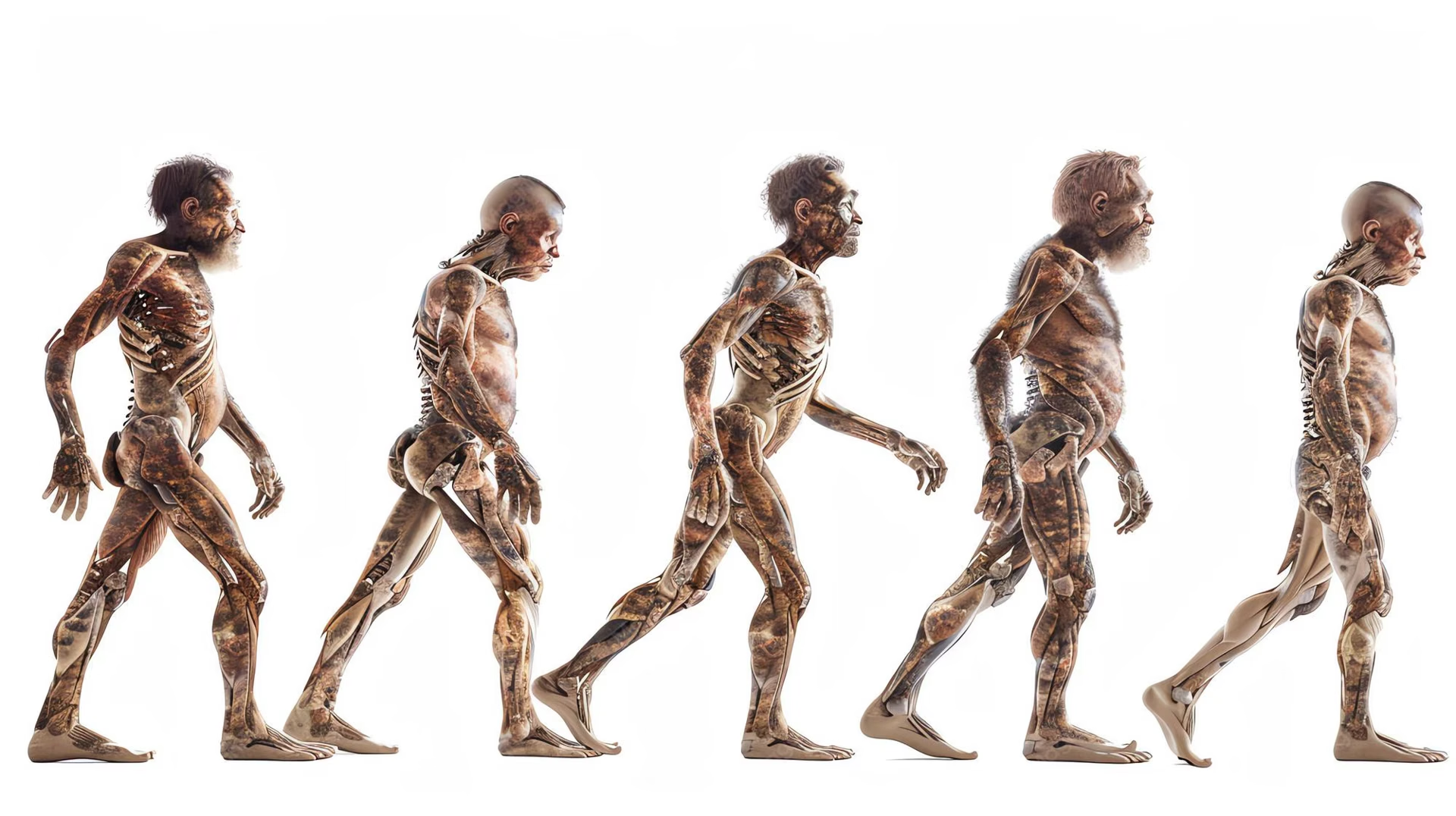
The question of what makes modern humans unique has long driven research. Comparisons with our closest relatives, the Neanderthals, therefore provide fascinating information. The increase in brain size and the production of neurons during brain development is taken into account. Although both Neanderthals and modern humans evolve similarly sized brains, very little is known about whether the brains of modern humans and Neanderthals may have differed in terms of their neuron production during development.
Researchers at the Max Planck Institute of Molecular Cell Biology and Genetics (MPI-CBG) in Dresden have now shown that the modern human of the TKTL1 protein, which differs from the Neanderthal variant by a single amino acid, is a species proliferation of brain progenitor cells called basal radial Gila in the modern human brain. Basal radial glial cells generate most of the neurons in the developing neocortex, a part of the brain critical to many cognitive abilities. In the frontal lobe of the fetal human brain, the researchers conclude that this single human-specific amino acid substitution in TKTL1 underlies greater neuron production in the developing frontal lobe of the neocortex in modern humans than in Neanderthals.
Read full news : Click here
References
Resolved via Crossref
- 01A High-Coverage Genome Sequence from an Archaic Denisovan Individual
Matthias Meyer, Martin Kircher, Marie-Theres Gansauge, Heng Li, Fernando Racimo, Swapan Mallick +28 more · Science · 2012
10.1126/science.1224344
In the literature
PubMed and arXiv
- PubMed2016A Comparison Between Bonobos and Chimpanzees: A Review and Update.Gruber T, Clay Z · Evolutionary anthropologyRead the paper
- PubMed2014Parasites and human evolution.Perry GH · Evolutionary anthropologyRead the paper
- PubMed1995The myth of Eve: molecular biology and human origins.Ayala FJ · Science (New York, N.Y.)Read the paper
- PubMed2015Ancient DNA and human evolution.Perry GH, Orlando L · Journal of human evolutionRead the paper
Matched automatically on this article’s subjects. Relevance varies — these are suggestions for further reading, not sources for the piece above.
Sign in to save articles and join the discussion.