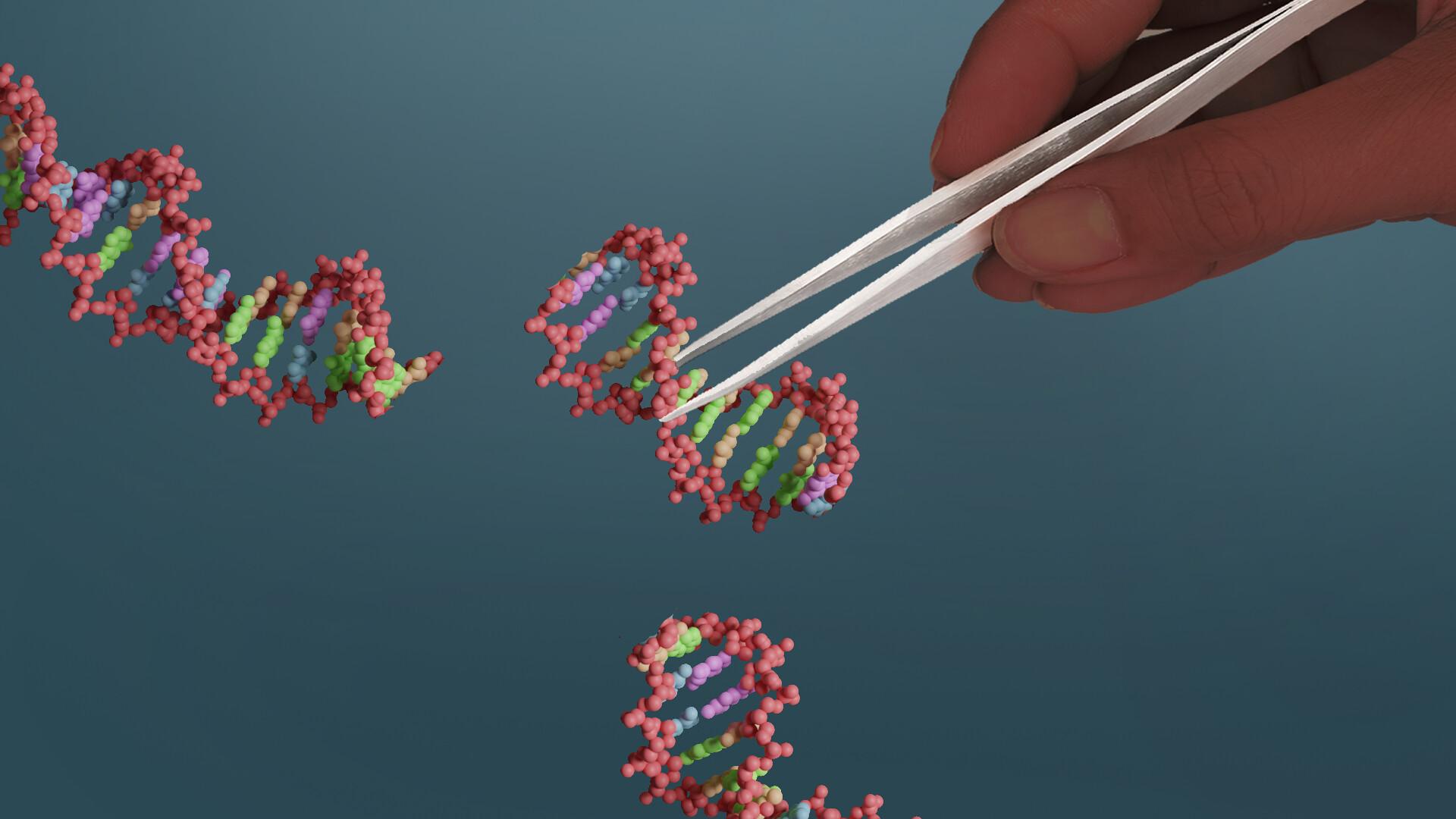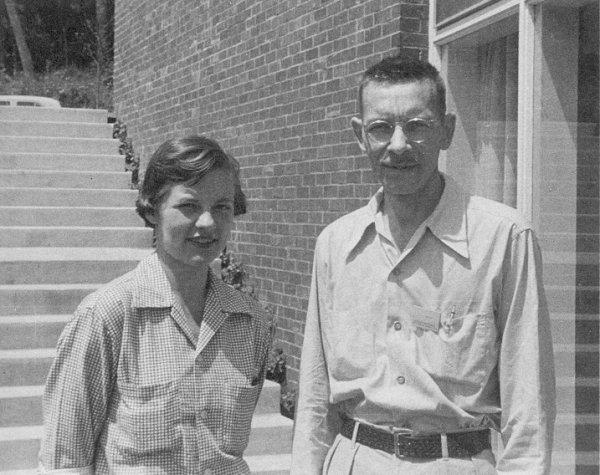
In 1952, a standard kitchen blender helped answer one of the biggest questions in biology: What is the genetic material of life?
For decades, scientists were locked in a debate. They knew that chromosomes carried hereditary information, but chromosomes are made of both and . Most researchers bet on proteins, believing that DNA was too simple a molecule to carry complex genetic instructions.
Enter Alfred Hershey and Martha Chase.
The Experiment
Hershey and Chase decided to settle the debate using bacteriophages that infect bacteria. These viruses are elegantly simple, consisting of just DNA wrapped in a protein coat. When they infect a bacterium, they inject their genetic material inside, leaving the empty shell attached to the outside.
To track which part of the virus was entering the bacteria, the researchers used radioactive tags:
- Radioactive Sulfur: Used to tag the protein coat.
- Radioactive Phosphorus: Used to tag the DNA.
The Blender's Role
After allowing the tagged viruses to infect the bacteria, Hershey and Chase needed a way to separate the empty viral shells from the outside of the bacterial cells without destroying the bacteria themselves.
Their solution? A standard Waring kitchen blender.
By whirling the mixture in the blender, they successfully sheared the viral coats off the bacterial walls. When they spun the mixture in a centrifuge, they made a groundbreaking discovery: the radioactive DNA was inside the bacteria, while the radioactive protein remained outside.
The Legacy
The "Waring Blender experiment" provided definitive proof that DNA, not protein, is the molecule that carries genetic information. This discovery paved the way for the modern era of genetics, leading directly to Watson and Crick's discovery of the DNA double helix just one year later.
So, the next time you make a smoothie, remember: a simple blender once helped unlock the secret of life itself.
Sign in to save articles and join the discussion.