Overview
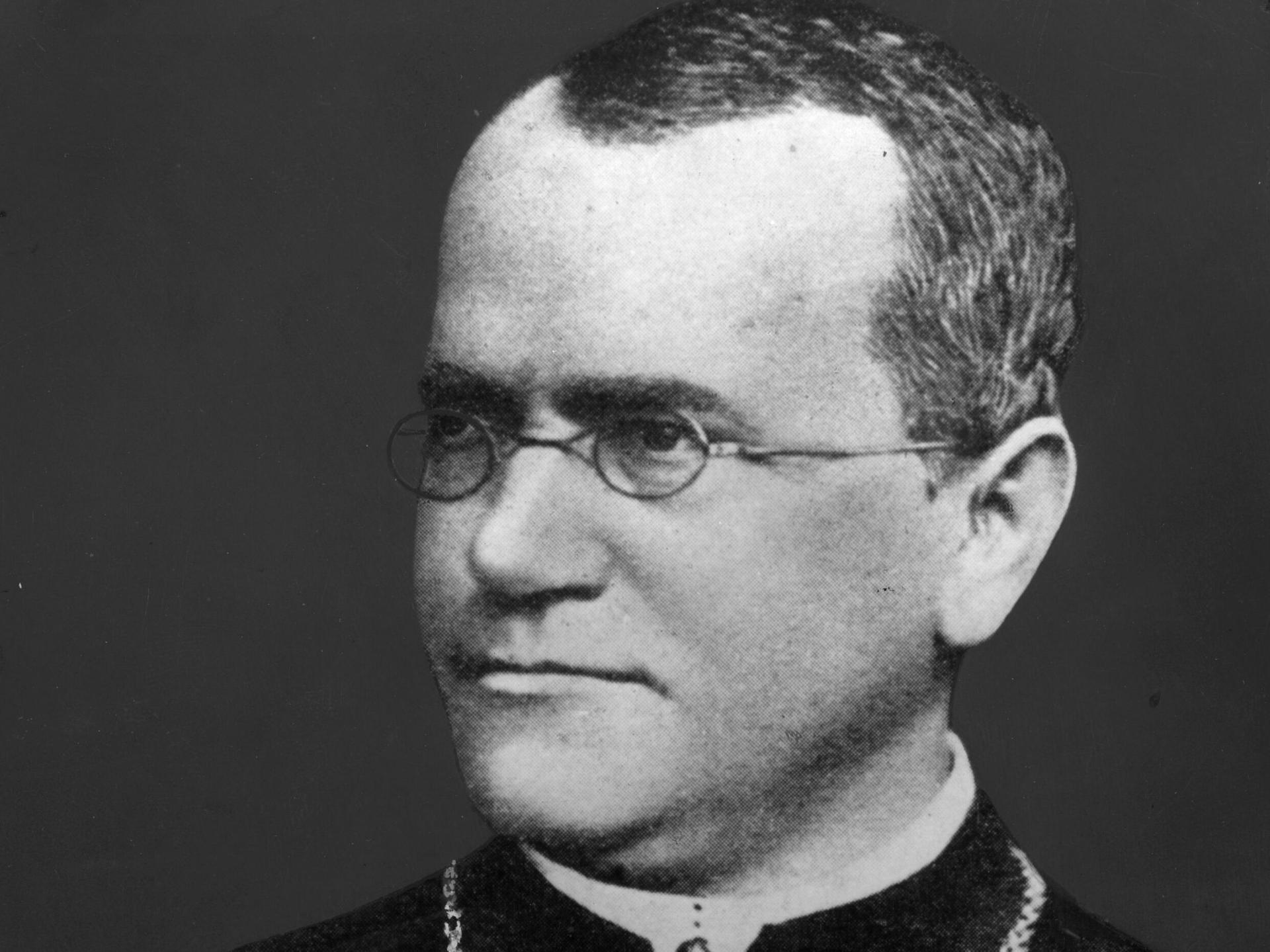
Gregor Mendel (1822-1884) was an Austrian monk and scientist who is considered the father of modern genetics. He conducted extensive research on the inheritance of traits in pea plants, and formulated the laws of inheritance now known as Mendel's laws. Mendel's work laid the foundation for the field of genetics and was critical in the development of the modern understanding of heredity. Despite the significance of his work, Mendel's ideas were not widely accepted during his lifetime and it was only after his death that his contributions to the field of genetics were fully recognized.
Mendel's work on inheritance
Gregor Mendel was an Austrian scientist and Augustinian friar who is considered the father of modern genetics. His work on inheritance, which was conducted in the mid-19th century, laid the foundation for our understanding of how traits are passed from generation to generation.
Mendel's work focused on the study of pea plants, and he carefully controlled the breeding of the plants to ensure that only certain traits were passed on to the next generation. Through his experiments, Mendel discovered several fundamental laws of inheritance, which are now known as Mendel's laws of inheritance.
The first law, known as the law of segregation, states that during the formation of reproductive cells, or gametes, the two copies of each (alleles) separate from each other, so that each gamete carries only one allele of each gene. This means that each offspring will inherit one allele from each parent.
The second law, known as the law of dominance, states that when an organism inherits two different alleles for a gene, one allele will be dominant and the other will be recessive. The dominant allele will determine the trait that is expressed, while the recessive allele will have no effect.
Mendel also discovered the concept of a gene, which he referred to as "factors" that are responsible for the transmission of traits. He also described the concept of genotype and phenotype, the genetic makeup of an organism and the observable characteristics of an organism respectively.
Mendel's work was largely ignored during his lifetime, but it was rediscovered in the early 20th century and its significance was recognized by the scientific community. Today, Mendel's laws of inheritance are considered to be a fundamental principle of genetics, and they continue to be an important part of modern biology.
Mendel's work on inheritance not only laid the foundation for our understanding of how traits are passed from generation to generation, but also provided a framework for understanding how genetic variation arises and how it contributes to the diversity of life on Earth. His work has had a profound impact on many areas of biology, including agriculture, medicine, and conservation.
Overall, Gregor Mendel's work on inheritance has proven to be one of the most significant contributions to the field of biology. His groundbreaking research helped to establish the modern field of genetics and has led to many advances in the understanding of how traits are inherited, and how genetic variation contributes to the diversity of life on Earth.
In the literature
PubMed and arXiv
- arXiv2008Not peer reviewedGregor WentzelarXiv preprintRead the paper
- arXiv2024Not peer reviewedGREGoR: Accelerating Genomics for Rare DiseasesarXiv preprintRead the paper
- arXiv2022Not peer reviewedExperimentos sobre la Hibridación en PlantasarXiv preprintRead the paper
- arXiv2012Not peer reviewedThe GREGOR Fabry-Pérot InterferometerarXiv preprintRead the paper
Matched automatically on this article’s subjects. Relevance varies — these are suggestions for further reading, not sources for the piece above.
Sign in to save articles and join the discussion.