Ancient Genomes Reveal When Modern Humans and Neanderthals Interbred
The story of human evolution has taken fascinating turns over the past few decades. With the advent of ancient sequencing, scientists have uncovered evidence that modern humans (Homo sapiens) and Neanderthals (Homo neanderthalensis) interbred tens of thousands of years ago. This genetic connection not only reshapes our understanding of human migration but also sheds light on the interactions between different human species that coexisted in prehistoric times.
The Relationship Between Modern Humans and Neanderthals
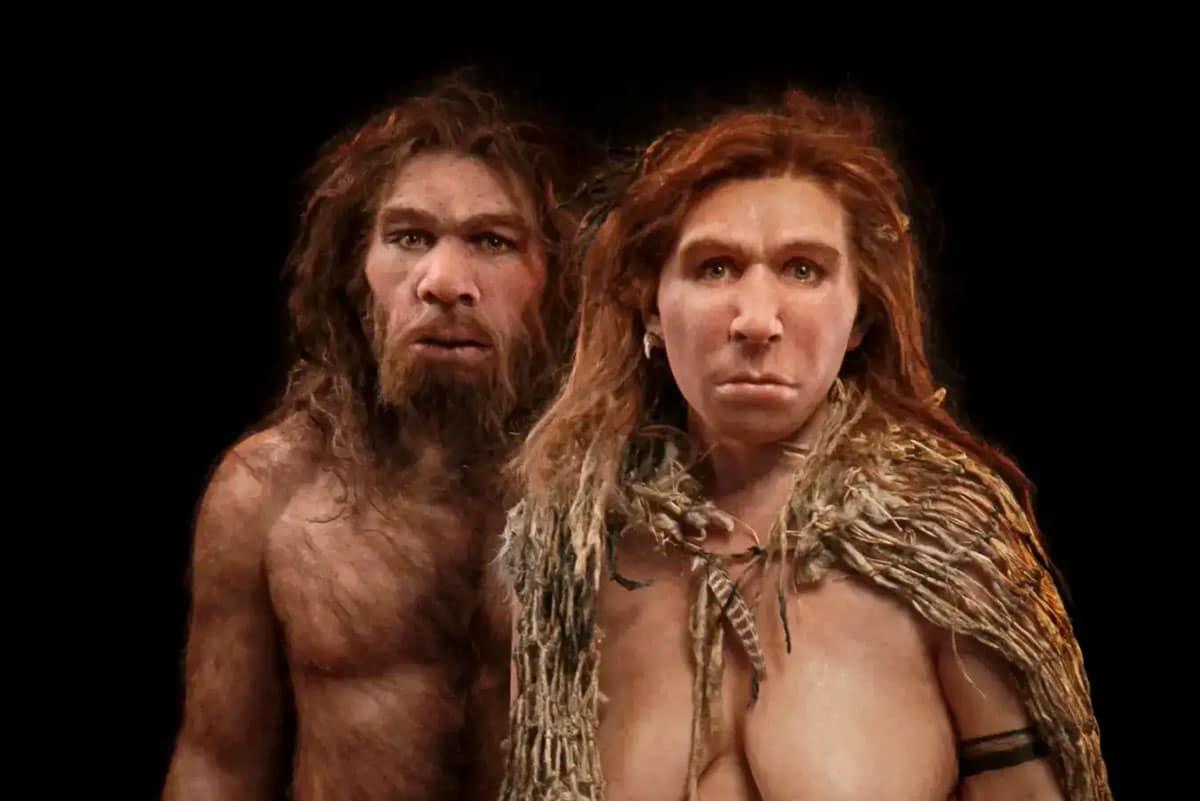
Neanderthals were an archaic human species that inhabited Eurasia for hundreds of thousands of years, primarily in Europe, the Middle East, and parts of Asia. Fossil evidence suggests that Neanderthals evolved from a common ancestor they shared with modern humans roughly 500,000–700,000 years ago.
For much of the 20th century, Neanderthals were depicted as primitive and entirely distinct from Homo sapiens. However, the sequencing of ancient Neanderthal genomes completely upended this view. In 2010, a team led by the Max Planck Institute for Evolutionary Anthropology sequenced the Neanderthal genome and compared it to the of living humans. The findings were extraordinary:
Non-African populations share about 1–2% of their DNA with Neanderthals.
This shared DNA indicated that interbreeding occurred after modern humans migrated out of Africa.
The idea that two human species interbred was revolutionary, providing the first genetic evidence of contact between Homo sapiens and Homo neanderthalensis.
Pinpointing When Interbreeding Occurred
Understanding when Neanderthals and modern humans interbred required careful analysis of ancient genomes. Key clues were found in fossilized human remains dating back 45,000 to 50,000 years.
-
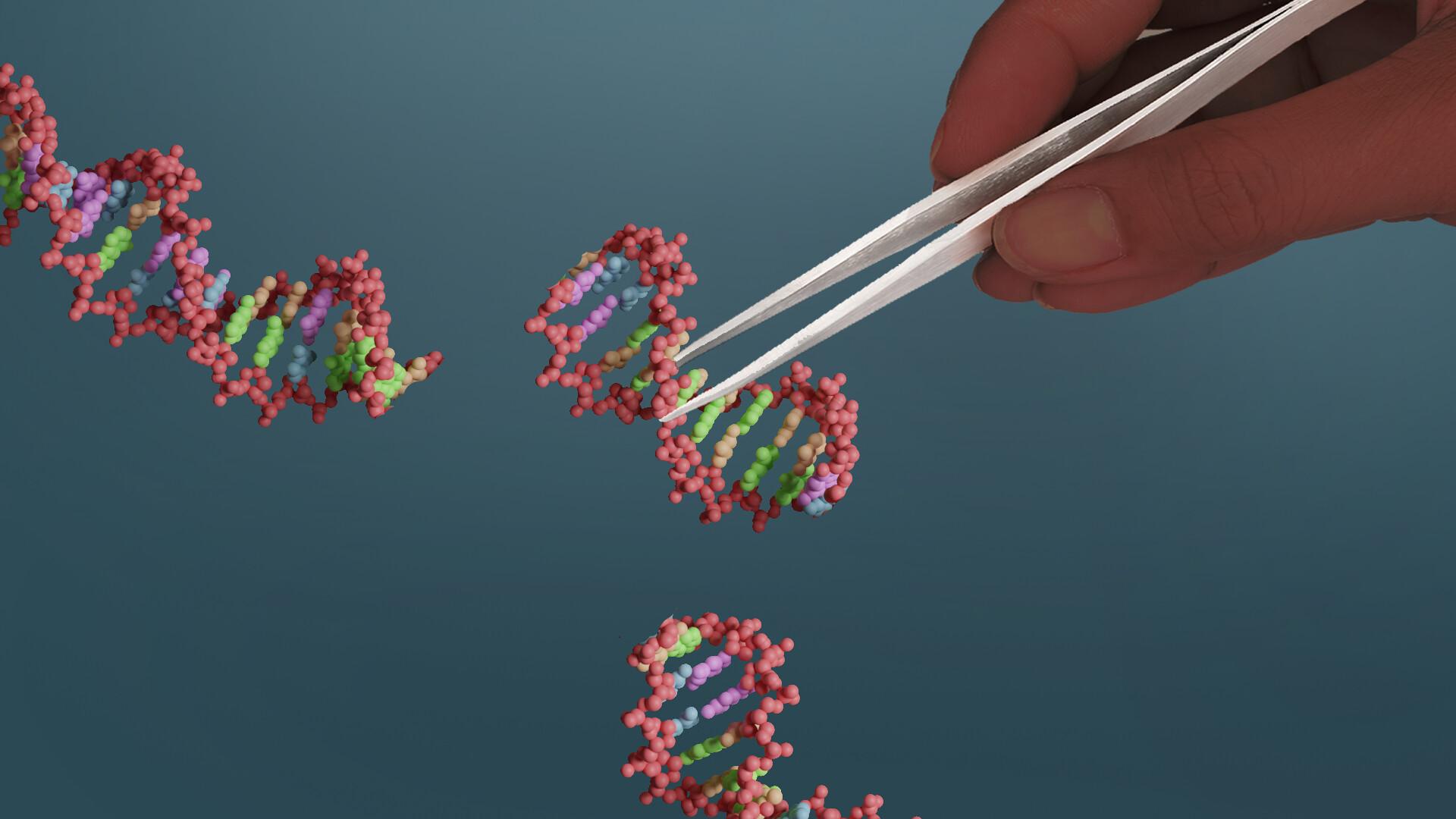
The Ust'-Ishim Fossil In 2014, researchers analyzed a 45,000-year-old thigh bone discovered in Siberia. The genome of this individual, known as the Ust'-Ishim man, contained clear traces of Neanderthal DNA. What made this study groundbreaking was how the DNA fragments appeared. Over generations, recombination breaks DNA into smaller pieces. By measuring the size of these fragments, scientists estimated that interbreeding occurred about 50,000 to 60,000 years ago.
-
The Oase 1 Individual Another crucial piece of evidence came from the Oase 1 fossil, discovered in Romania and dated to 40,000 years ago. Genetic analysis revealed that this individual had 6–9% Neanderthal DNA—a much higher percentage than modern humans. This indicated that the Oase individual had a Neanderthal ancestor 4 to 6 generations earlier.
These findings provide strong evidence that interbreeding occurred shortly after modern humans left Africa and encountered Neanderthal populations in Eurasia.
Where Did Modern Humans and Neanderthals Meet?
The interbreeding events most likely took place in regions where Neanderthals and modern humans overlapped geographically.
The Middle East served as an initial point of contact when modern humans began migrating out of Africa around 60,000–70,000 years ago.
As modern humans continued spreading across Europe and Asia, they encountered established Neanderthal populations. Fossil and archaeological evidence suggests that Neanderthals inhabited Europe and parts of western Asia until their extinction around 40,000 years ago.
This overlap of territories provided ample opportunities for interactions, including interbreeding.
Why Did Modern Humans and Neanderthals Interbreed?
The exact nature of interactions between modern humans and Neanderthals is difficult to determine, but there are plausible explanations for interbreeding:
-
Population Pressures: Small population sizes in both species may have led to interbreeding as a survival strategy. Genetic diversity is critical for the survival of any population, and interbreeding might have been an adaptive response to harsh environmental conditions.
-
Social Interactions: While Neanderthals and modern humans were distinct species, they were genetically similar enough to produce fertile offspring. This suggests that cultural or social interactions, whether through cooperation, competition, or cohabitation, likely facilitated interbreeding.
-
Adaptive Advantages: Modern humans may have benefited from inheriting Neanderthal that were suited to Eurasian climates. For instance:
Genes associated with immune responses helped Homo sapiens adapt to new .
related to skin pigmentation and UV light adaptation may have provided advantages in northern climates.
The Genetic Legacy of Neanderthals in Modern Humans
Traces of Neanderthal DNA persist in modern human populations to this day. However, the distribution of Neanderthal ancestry varies across populations:
Non-African Populations have about 1–2% Neanderthal DNA.
African Populations show little to no Neanderthal ancestry because interbreeding occurred after modern humans left Africa.
Recent research has linked Neanderthal DNA to several traits in modern humans:
Positive Traits:
-
genes that help combat and bacteria.
-
Adaptation to cold climates through metabolic genes.
Negative Traits:
-
Increased risk of autoimmune disorders such as lupus and Crohn's disease.
-
Higher susceptibility to depression, nicotine addiction, and blood clotting issues.
These findings suggest that while Neanderthal DNA conferred some advantages, it also came with trade-offs.
Conclusion: A Complex Human Story
The discovery of interbreeding between modern humans and Neanderthals highlights how interconnected our evolutionary history is. Advances in ancient DNA analysis have allowed scientists to piece together when and how these events occurred, painting a more complex picture of human migration and interaction.
Our shared DNA with Neanderthals is not just a relic of the past—it’s a key part of what makes us human today.
References
Resolved via Crossref
- 01The genomic landscape of Neanderthal ancestry in present-day humans
Sriram Sankararaman, Swapan Mallick, Michael Dannemann, Kay Prüfer, Janet Kelso, Svante Pääbo +2 more · Nature · 2014
10.1038/nature12961
In the literature
PubMed and arXiv
- PubMed2017Neanderthal behaviour, diet, and disease inferred from ancient DNA in dental calculus.Weyrich LS, Duchene S, Soubrier J · NatureRead the paper
- PubMed2022The contribution of Neanderthal introgression to modern human traits.Reilly PF, Tjahjadi A, Miller SL · Current biology : CBRead the paper
- PubMed2025Tracing the Evolution of Human Immunity Through Ancient DNA.Patin E, Quintana-Murci L · Annual review of immunologyRead the paper
- PubMed2005Damage and repair of ancient DNA.Mitchell D, Willerslev E, Hansen A · Mutation researchRead the paper
Matched automatically on this article’s subjects. Relevance varies — these are suggestions for further reading, not sources for the piece above.
Sign in to save articles and join the discussion.