Imagine a hallway about 25 feet long, roughly the length of a small living room. For years, that was a serious test for Lynn Montgomery-Haga. She has stiff person syndrome, a rare autoimmune disease that can lock your muscles without warning. Before her treatment, she often reached for the walls to get across it. She used a walker or a wheelchair most days.
A few months after an experimental therapy, she walked the same hallway with her arms down and her stride smooth. She can garden and vacuum her house now. She hasn't fallen since.
The treatment isn't a pill. It's her own immune cells, pulled out of her body, re-engineered in a lab, and put back in. Doctors call it CAR T cell therapy. It was invented to fight blood cancers. Now it's heading into a completely different part of medicine, and a few researchers are using words like "reset" and even "cured."
The honest version is more complicated, and more interesting. Let's go through it.
The short version
| The therapy | CAR T cells: a patient's own T cells, engineered to find and destroy B cells |
| The old job | Blood cancers (first FDA approvals came in 2017) |
| The new job | Autoimmune diseases, where the immune system attacks the body itself |
| The test case | Stiff person syndrome (SPS), with an experimental CAR T called miv-cel from Kyverna Therapeutics |
| Where it stands | The company is preparing an FDA submission and hopes for availability in 2027. If approved, it would be the first CAR T for any autoimmune disease and the first approved SPS treatment |
| The warning label | Serious risks exist, and other companies' trials were paused this year after deaths and complications |
Part 1: What's going wrong in stiff person syndrome
SPS affects roughly 2 in 100,000 people in the US. It usually starts in the 30s or 40s and it's about twice as common in women as in men.
Researchers don't know what triggers it. The leading idea is that the person's own attack part of the nervous system that tells muscles to relax. With that "off switch" damaged, opposing muscles, like your biceps and triceps, tense at the same time and fight each other. People get stuck in rigid positions, fall, break bones, and live with pain.
It's also a hard disease to catch. One patient in the story waited three years, saw 13 specialists, and visited the ER nine times before getting a diagnosis. Another went almost four years.
And there's no approved treatment. Doctors use muscle relaxants, anti-seizure drugs, Botox injections and infusions of healthy antibodies (IVIG, which can take up to six hours every few weeks). These help with symptoms, but as one neurologist put it, they do nothing about the underlying autoimmune disease. Some of the drugs cause mental fog, which is its own kind of cost.
Part 2: Why a cancer treatment would work here
To see the logic, you need two cell types.
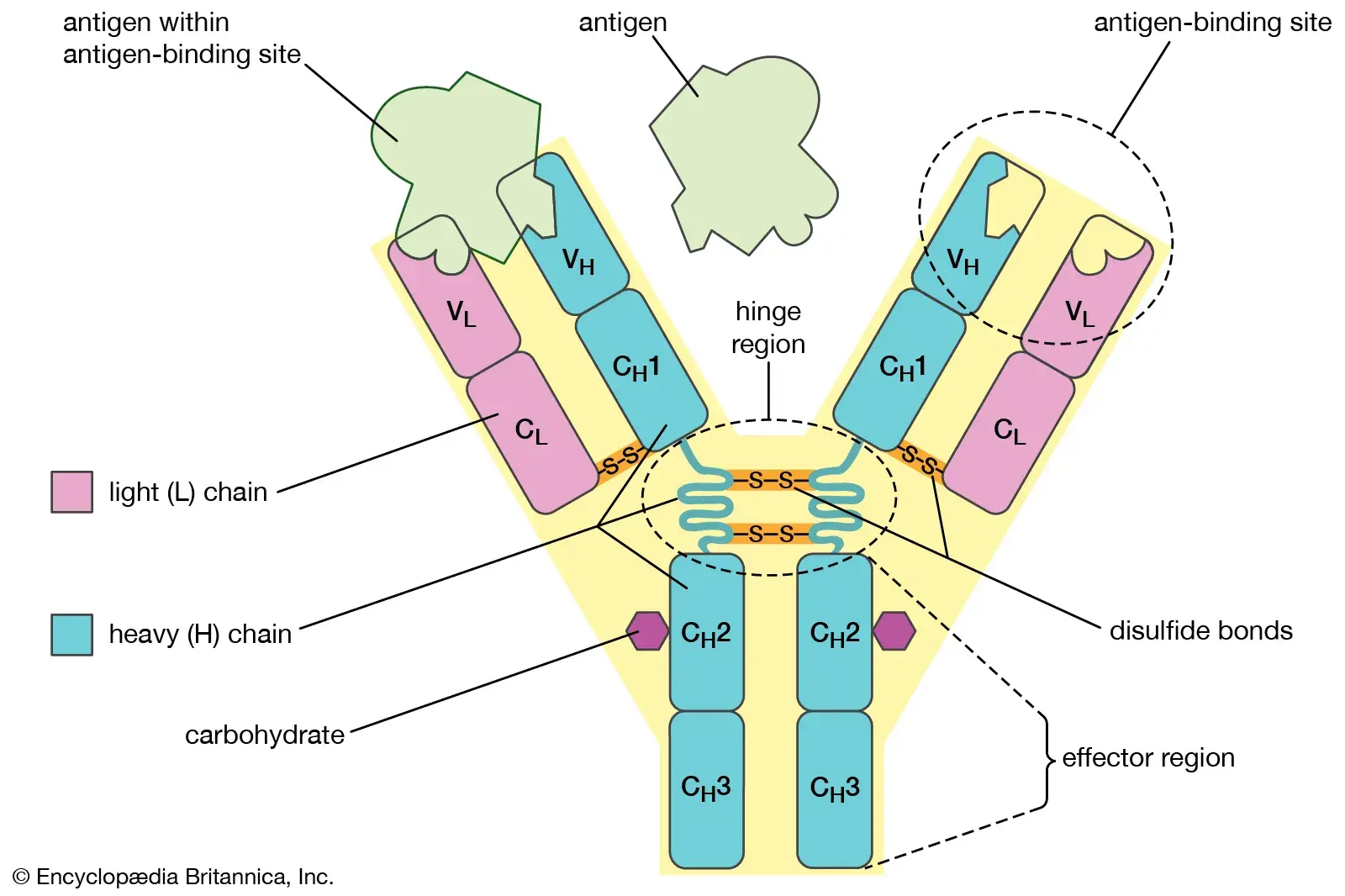
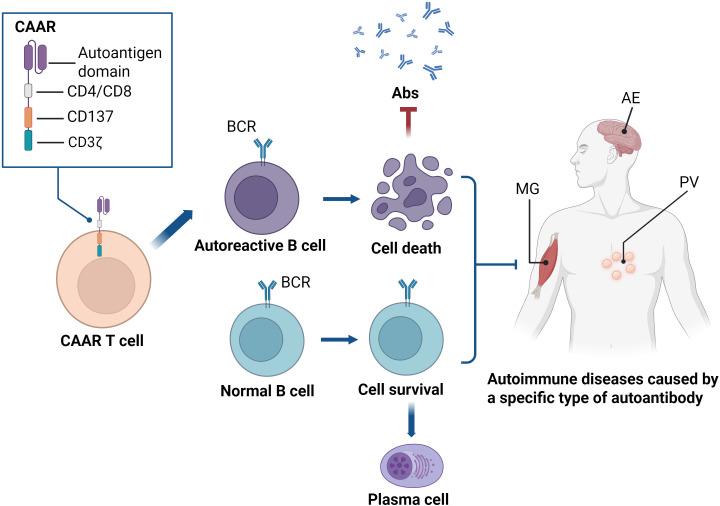
B cells are the factories that make antibodies. Normally that's great: antibodies tag germs for destruction. In autoimmune disease, some B cells make antibodies against your own tissues. In lupus, that can mean blood vessels, kidneys and joints. In SPS, it's nerve cells.
T cells are the 's security team. They hunt down and destroy cells that look wrong.
CAR T therapy turns the security team into a guided weapon:
- Doctors collect a patient's T cells from blood.
- In the lab, the cells get a for a chimeric antigen receptor (CAR), a that works like a homing device on the cell surface.
- The CAR points at a marker found on B cells (the approach in these trials targets CD19).
- The patient gets low-dose to make room, then the engineered cells are infused back in.
- The CAR T cells find B cells and kill them, including the rogue ones.
In cancer, the goal is to kill malignant B cells. In autoimmunity, the goal is to wipe out the B cells that are making the harmful antibodies, whether or not they're cancerous. The antibodies themselves aren't the target. Their factories are.
The "reset" idea
Here's the part that surprised even the experts. After the B cells are wiped out, the body rebuilds them from . The new B cells are fresh, and in many patients they don't seem to carry the same grudge. German rheumatologist Georg Schett calls this an "immune reset."
| CAR T for cancer | CAR T for autoimmune disease | |
|---|---|---|
| What's being killed | Cancerous B cells | Normal B cells, including the ones making harmful antibodies |
| What success looks like | Remission | Disease quiets down and patients can stop immune-suppressing drugs |
| Biggest worry | Cancer coming back | Disease coming back, plus long-term effects in people who aren't dying of cancer |
| Patients | Often very sick, with few options | Often younger and long-term, so safety matters even more |
Part 3: How we got here
2017. The FDA approves the first CAR T therapies, for two blood cancers: acute lymphoblastic leukemia and large B cell lymphoma.
A hint in a case report. Soon after, doctors noticed something odd. Some cancer patients who also had an autoimmune disorder got better on both fronts after CAR T.
2021: the tipping point. Georg Schett's team in Germany reported a 20-year-old woman with severe lupus, a hard-to-treat illness that can damage the kidneys and other organs. Within five weeks of treatment, her disease signs started to disappear. More than five years later it hasn't come back, and Schett says his team considers her cured. Other specialists said results like that were unheard of for lupus, a disease where most drugs tested over decades had failed.
2022. The same team reported five more lupus patients. All went into remission.
Carl June, the University of Pennsylvania scientist who helped pioneer CAR T in cancer, said results this striking are very rare. After that, labs around the world started trying it in nearly a dozen B cell-linked autoimmune conditions: lupus, rheumatoid arthritis, systemic sclerosis, myasthenia gravis, progressive multiple sclerosis and more.
Part 4: What the stiff person syndrome trial showed
Kyverna's therapy, miv-cel, was tested in SPS patients, and the numbers so far are striking.
- Walking aids. Eight of 12 people who used a walking aid at the start didn't need one at follow-up, as reported at the American Academy of Neurology meeting in April.
- One-year results. In September, the company reported that patients kept their gains. About a third of them walked the 25-foot test about as fast as a healthy adult.
- Fewer drugs. Nearly all patients no longer depended on immune-suppressing medications, which come with their own side effects like infections and bleeding.
- A second disease. The same therapy appeared to improve symptoms in six patients with severe rheumatoid arthritis, reported in Nature Medicine in August.
And the patient we started with? She says she's about a seven on a ten-point scale now. Before treatment, she'd have put herself at zero. She still thinks she's improving.
What the treatment is like
It's not a quick appointment. She spent ten days in the hospital for the treatment itself. Before that came chemotherapy to clear space for the new cells, which can bring hair thinning, nausea and diarrhea. After it, the loss of most of her B cells brings a risk of fever, inflammation and infections. In Kyverna's trial, 15 percent of participants had severely low white blood cell counts afterward. The doctors expected that and treated it easily.
Part 5: The part that isn't good news
If you read only the happy stories, you'd get the wrong idea. This year has had a rough patch.
- In August, Novartis paused trials of its CAR T therapy rap-cel across several autoimmune diseases after three patients died.
- Bristol Myers Squibb also paused similar studies after some patients had neurological complications, according to the Wall Street Journal.
Details came out slowly, and the field noticed. One rheumatologist called it a tragedy and a wake-up call. But he also pointed out that one product's problems don't automatically apply to all of them. CAR T products differ in design and manufacturing, and scientists can't always predict which will turn out to be toxic. Kyverna says miv-cel has been well tolerated in more than 100 treated patients, which is the company's own account.
There are also open questions that no one can answer yet:
- How long does it last? In this patient, at least two years so far.
- Will the disease return? We don't fully understand what triggers autoimmunity. Some researchers wonder whether vulnerable people stay vulnerable. Others argue that because it often takes several "hits" to tip someone into disease, the treatment might buy a long stretch of time.
- What about long-term complications? Carl June warned there could be problems in autoimmune patients that never show up in cancer patients, and that not enough people have been treated to know.
- Is anyone "cured"? June himself says it's too early to say that about SPS. Another researcher urged people not to oversell it.
One patient advocate with SPS, who founded a research foundation, said she wouldn't try the therapy right now. She's a single mother of two, and even a rare side effect could upend her life. Her caution is worth taking seriously. A person managing a chronic disease reasonably wants to see more long-term data before taking on an unknown risk.
Part 6: What comes next
If the FDA says yes, SPS could be first. Kyverna's CEO says myasthenia gravis, an autoimmune condition that weakens muscles, could be second. The company is also running trials in progressive MS.
Why the nervous system is exciting. CAR T cells may be able to slip past the blood-brain barrier and reach pockets of smoldering inflammation that most drugs can't. A neurologist cautioned that nobody expects them to repair existing nerve damage. But halting the disease's progress would already be a big deal for conditions like MS.
Easier versions are in the works:
- Off-the-shelf CAR T, made from donor cells instead of each patient's own, so there's no custom manufacturing.
- In-body reprogramming, where T cells are engineered inside the patient instead of in a lab.
- More precise targeting, aiming only at the B cells that cause disease, rather than wiping out most of them.
Any of those could make the process less grueling and potentially safer.
Part 7: How to read the next headline
You'll see more stories like this. A few questions help keep your footing:
- How many patients? A dramatic result in a handful of people is a starting signal, not proof.
- How long have they been followed? Autoimmune diseases can flare years later. Two years is promising. Five is better.
- Who's reporting? Company announcements and papers aren't the same thing. Good news in one trial doesn't clear another company's product.
- What was the cost? Look at infections, hospital stays, and deaths, not only the benefits.
- Cure or remission? "Remission" means the disease is quiet. "Cure" is a much stronger claim, and researchers are cautious about using it.
Myths worth skipping
| Myth | Reality |
|---|---|
| "CAR T cures autoimmune disease." | Some patients are in long remission. It's too early to say anyone is definitely cured, and the risks are real. |
| "It's like taking a pill." | It involves chemotherapy beforehand, a hospital stay, and loss of most B cells for a period. |
| "It's the same for every product." | Different designs have had very different safety records so far. |
| "It's approved already." | Not yet for any autoimmune disease. The first filing is still being prepared. |
What it all adds up to
Here's the idea that makes this story so satisfying. For decades, treating autoimmune disease meant dulling the immune system with drugs, forever. CAR T flips that. Instead of muting everything, you remove the cell type that's causing trouble and let the body rebuild it.
It started with cancer, in people who often had nowhere else to turn. Now it's reaching people whose lives were slowly being taken apart by their own antibodies. A woman who couldn't pick up a dropped bar of soap now plans trips to Paris, Scotland and Ireland.
But the best science writing admits what we don't know yet. How long does it last? What are the long-term costs? Which products are safe enough? The coming year of trial data, and the FDA's decision on the first autoimmune CAR T, will tell us a lot. For now, it's one of the most promising ideas in immunology, and one worth watching with both excitement and care.
Sources and further reading
- Science News: This 'living drug' could change the course of autoimmune disease
- Mougiakakos et al., 2021, NEJM: CD19-targeted CAR T cells in refractory systemic lupus erythematosus
- Mackensen et al., 2022, Nature Medicine: Anti-CD19 CAR T cell therapy for refractory systemic lupus erythematosus
- Albach et al., 2026, Nature Medicine: CD19 CAR T cell therapy for treatment-refractory seropositive rheumatoid arthritis
- Kyverna Therapeutics: one-year data announcement
References
Resolved via Crossref
- 01CD19-Targeted CAR T Cells in Refractory Systemic Lupus Erythematosus
Dimitrios Mougiakakos, Gerhard Krönke, Simon Völkl, Sascha Kretschmann, Michael Aigner, Soraya Kharboutli +4 more · New England Journal of Medicine · 2021
10.1056/nejmc2107725
In the literature
PubMed and arXiv
- PubMed2025Anti-CD19 CAR T-Cell Therapy in Advanced Stiff-Person Syndrome and Concomitant Myasthenia Gravis.Ayzenberg I, Aloizou AM, Lohmann C · Neurology(R) neuroimmunology & neuroinflammationRead the paper
- PubMed2025CAR T-cell therapy for neurological disorders: scientific rationale and mechanistic insights.Katsaros DE, Mougiakakos D · Therapeutic advances in neurological disordersRead the paper
- PubMed2026CAR-T-cell therapy for autoimmune neurologic diseases.Zhao Y, Ding Y, Tang C · Frontiers in immunologyRead the paper
- PubMed2026Promising Effects of CAR T-Cell Therapy in Refractory Stiff Person Syndrome and a Hopeful Future for All Neuroautoimmunities.Dalakas MC · Neurology(R) neuroimmunology & neuroinflammationRead the paper
Matched automatically on this article’s subjects. Relevance varies — these are suggestions for further reading, not sources for the piece above.
Topics
Sign in to save articles and join the discussion.